
High-quality Arabic Translations
Arabic Translation Services
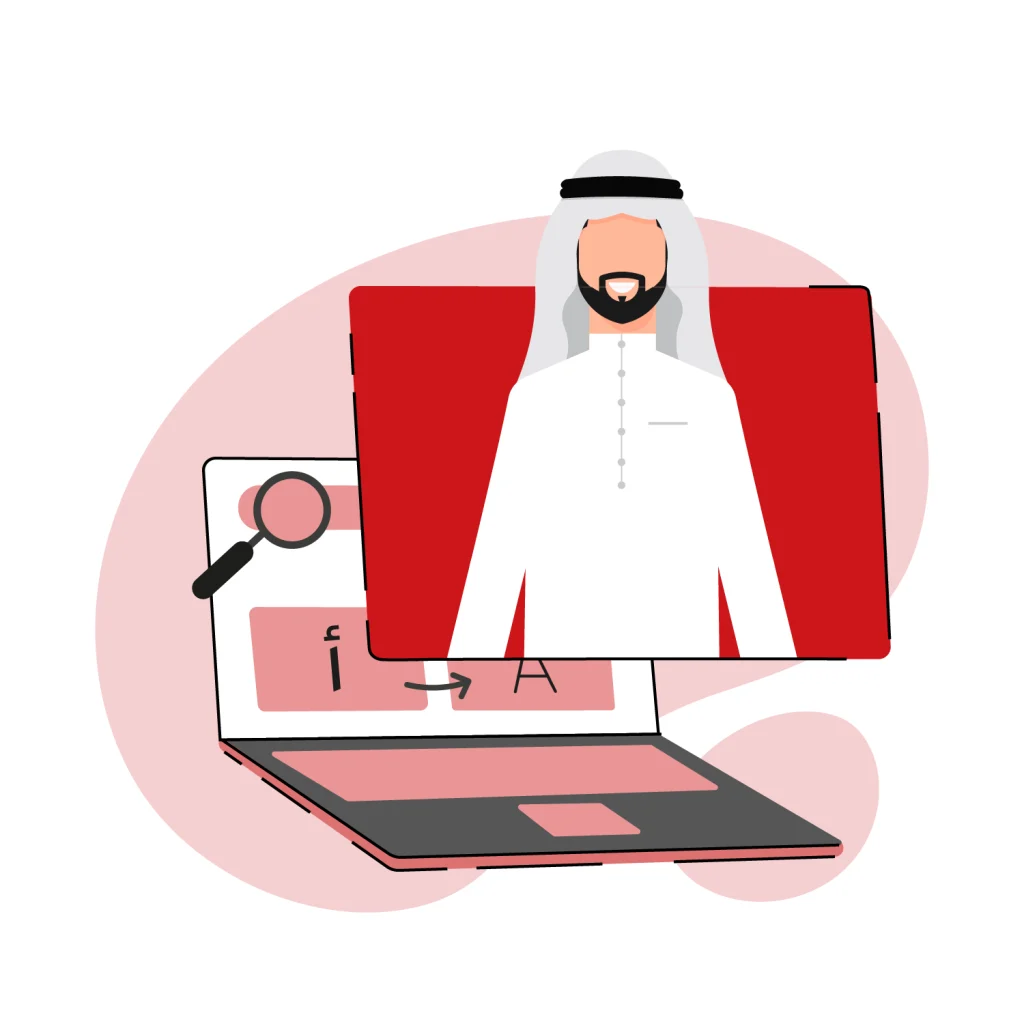
AsiaLocalize provides professional Arabic translation services for global businesses: certified, legal, technical, marketing and software content translated by native, in-region Arabic linguists. We work in Modern Standard Arabic and Gulf, Egyptian, Levantine or Maghrebi dialects, handle right-to-left layout, and follow an ISO 17100-certified translation and revision process.
Trusted by the world’s leading companies





Quick definition
What are Arabic translation services?
Arabic translation services convert written content between Arabic and other languages so it reads naturally to people across the Middle East and North Africa. Professional Arabic translation goes beyond words: it picks the right variety (Modern Standard Arabic or a regional dialect), adapts cultural references and lays text out right to left.
Arabic translation at a glance
- Script: Arabic alphabet of 28 letters, written right to left
- Written standard: Modern Standard Arabic (MSA)
- Main dialect groups: Gulf, Egyptian, Levantine, Maghrebi and Mesopotamian
- Official or co-official language in more than 20 countries
- One of the six official languages of the United Nations
See also: Farsi translation · Turkish translation · document translation · desktop publishing
Published: · Last reviewed:
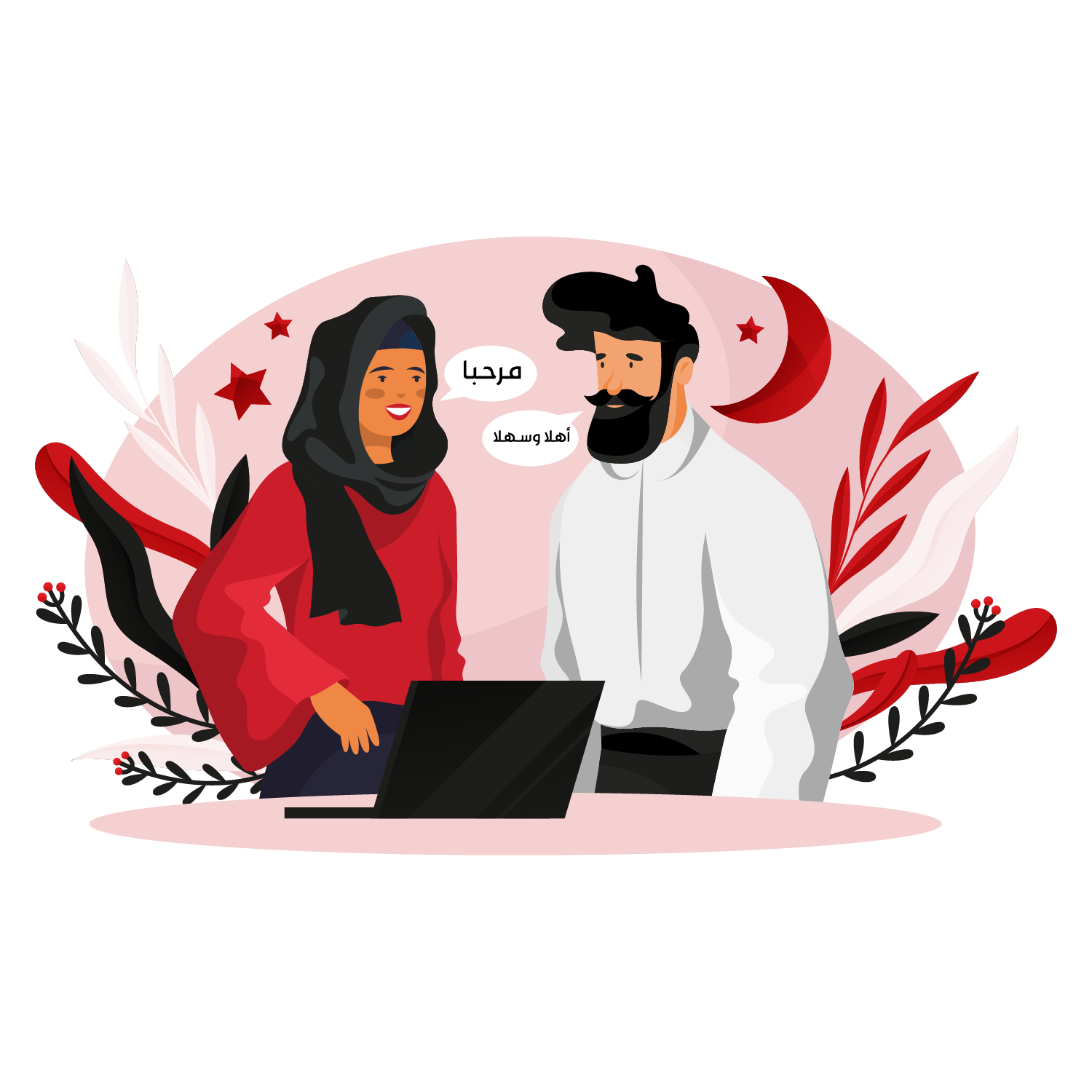
Language challenges
Why is Arabic difficult to translate?
The US Foreign Service Institute places Arabic in Category IV, its “super-hard” group alongside Chinese, Japanese and Korean, with about 88 weeks of study needed for an English speaker to reach professional working proficiency. In translation, the difficulties are predictable:
- Diglossia: formal writing uses Modern Standard Arabic, while everyday speech varies sharply by country
- Right-to-left script mixed with left-to-right numbers, brand names and code
- Text length can shift by roughly 20–25% between English and Arabic, which affects layouts
- Cultural and religious sensitivities in imagery, idioms and humor
- Formal versus informal tone, and gendered forms of address
- Western digits or Eastern Arabic digits, and Hijri or Gregorian dates
That is why every project is handled by native linguists who know the target country, with an Arabic DTP specialist when layout matters.
Which type of Arabic should you translate into?
Use Modern Standard Arabic for most written business content. Choose a dialect when the content is spoken, informal or aimed at a single country.
| Main markets | Best for | Our advice | |
|---|---|---|---|
| Modern Standard Arabic (MSA) | All Arab League countries | Contracts, legal and regulatory text, manuals, websites, eLearning | Default for written content read in several countries |
| Gulf (Khaleeji) | Saudi Arabia, UAE, Kuwait, Qatar, Bahrain, Oman | Consumer marketing, social media, voice-over for GCC audiences | MSA text with Gulf terminology; dialect for audio and ads |
| Egyptian | Egypt, and widely understood thanks to Egyptian film and TV | Video, ads, entertainment, support scripts | A practical single dialect for pan-Arab audio and video |
| Levantine | Lebanon, Syria, Jordan, Palestine | Marketing, subtitling, dubbing | Use for campaigns aimed at the Levant |
| Maghrebi (Darija) | Morocco, Algeria, Tunisia, Libya | Informal consumer content | MSA for formal text; French is often needed alongside Arabic |
Services
What Arabic translation services do we offer?
From certified documents to software and live interpreting, one native Arabic team covers your whole project.
Certified Arabic translation
Signed and stamped certificates of accuracy for contracts, licenses, patents and personal documents such as birth certificates.
Explore →
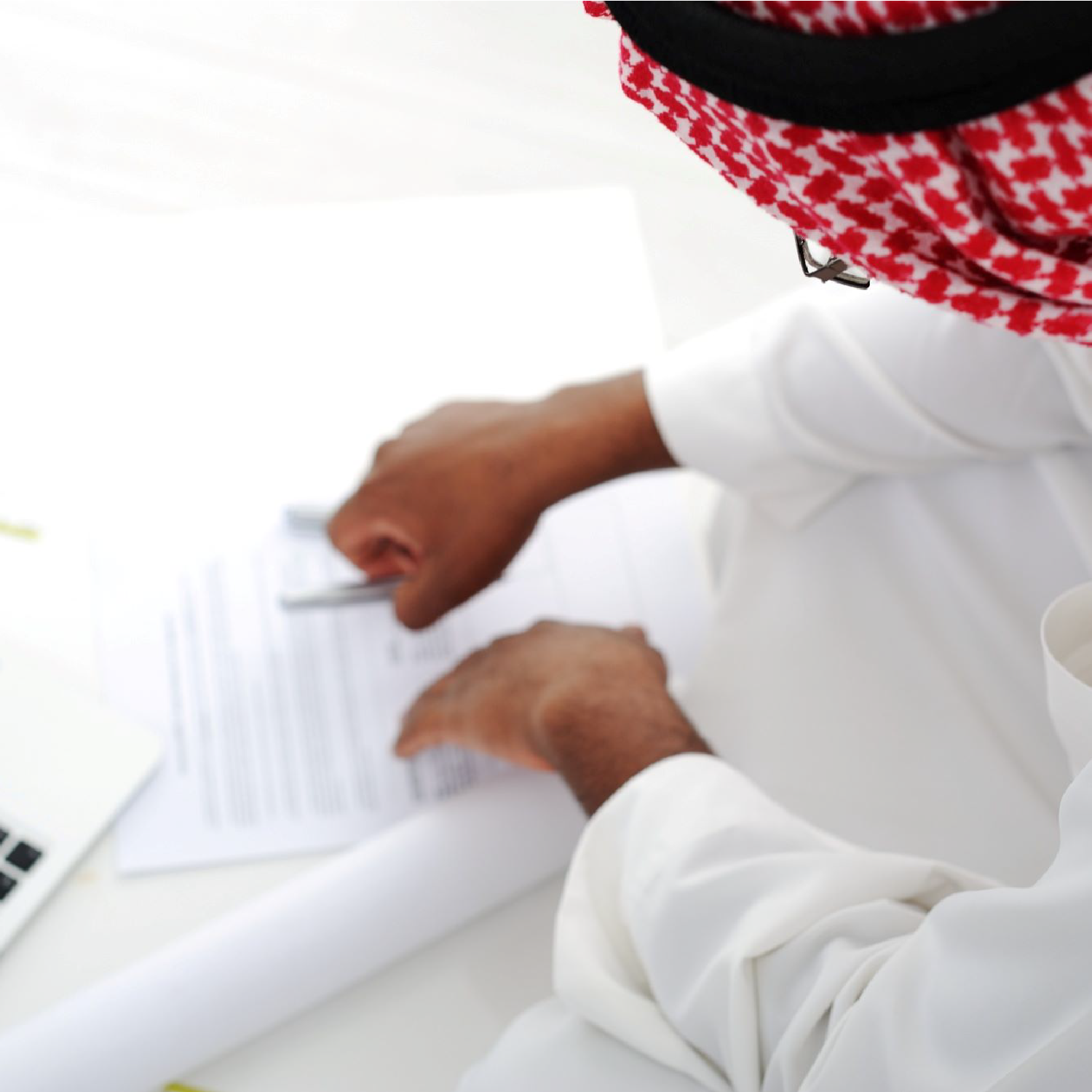
Arabic document translation
Contracts, court rulings, user guides, safety manuals, clinical protocols and training material in any common file format.
Explore →

Business and marketing translation
Websites, brochures, corporate communications and M&A filings that read as if they were written in Arabic.
Explore →

Software and app localization
UI strings, help content and right-to-left interface checks so your product works for Arabic users.
Explore →
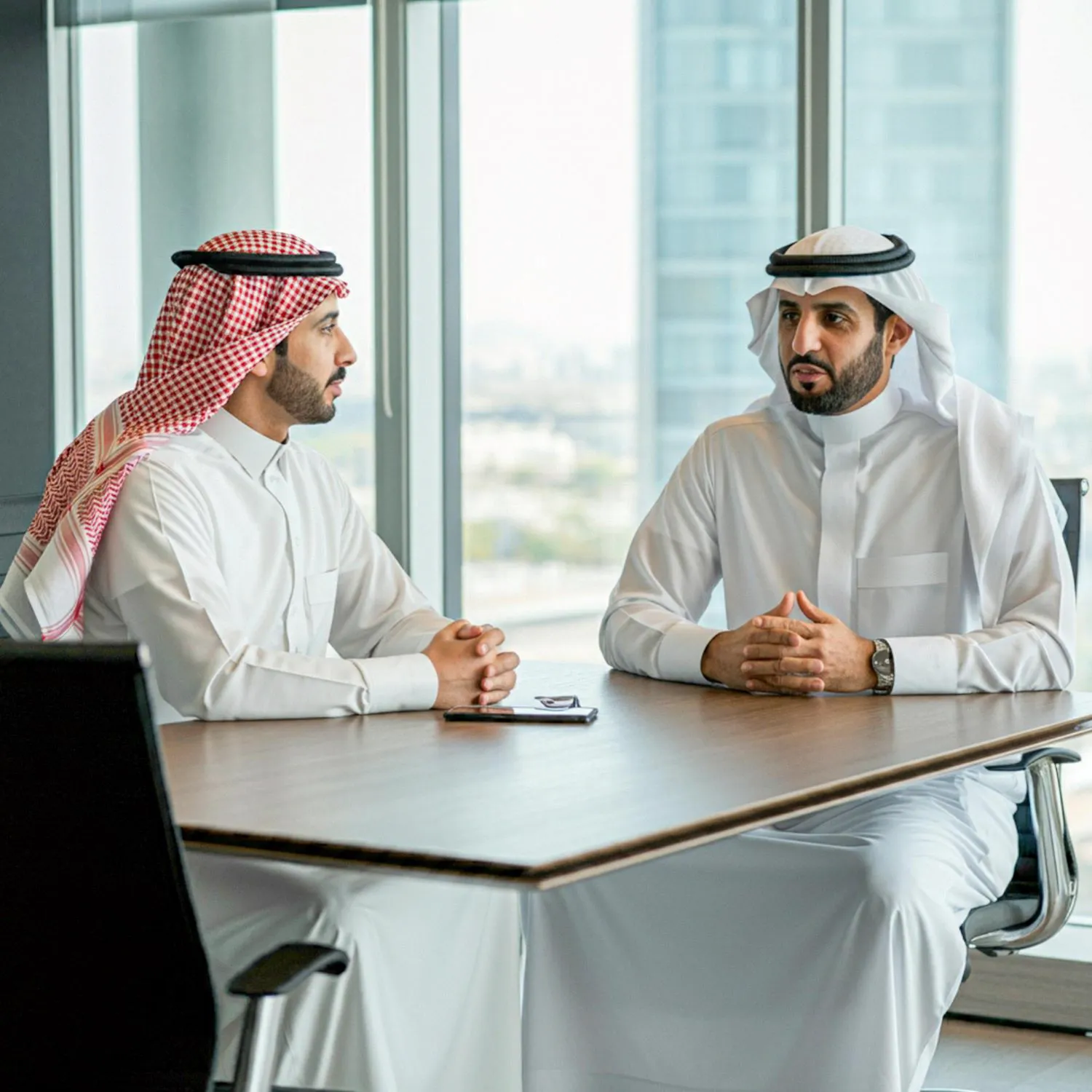
Arabic interpreting
Interpreters for business negotiations, conferences, public speaking engagements and community events.
Explore →
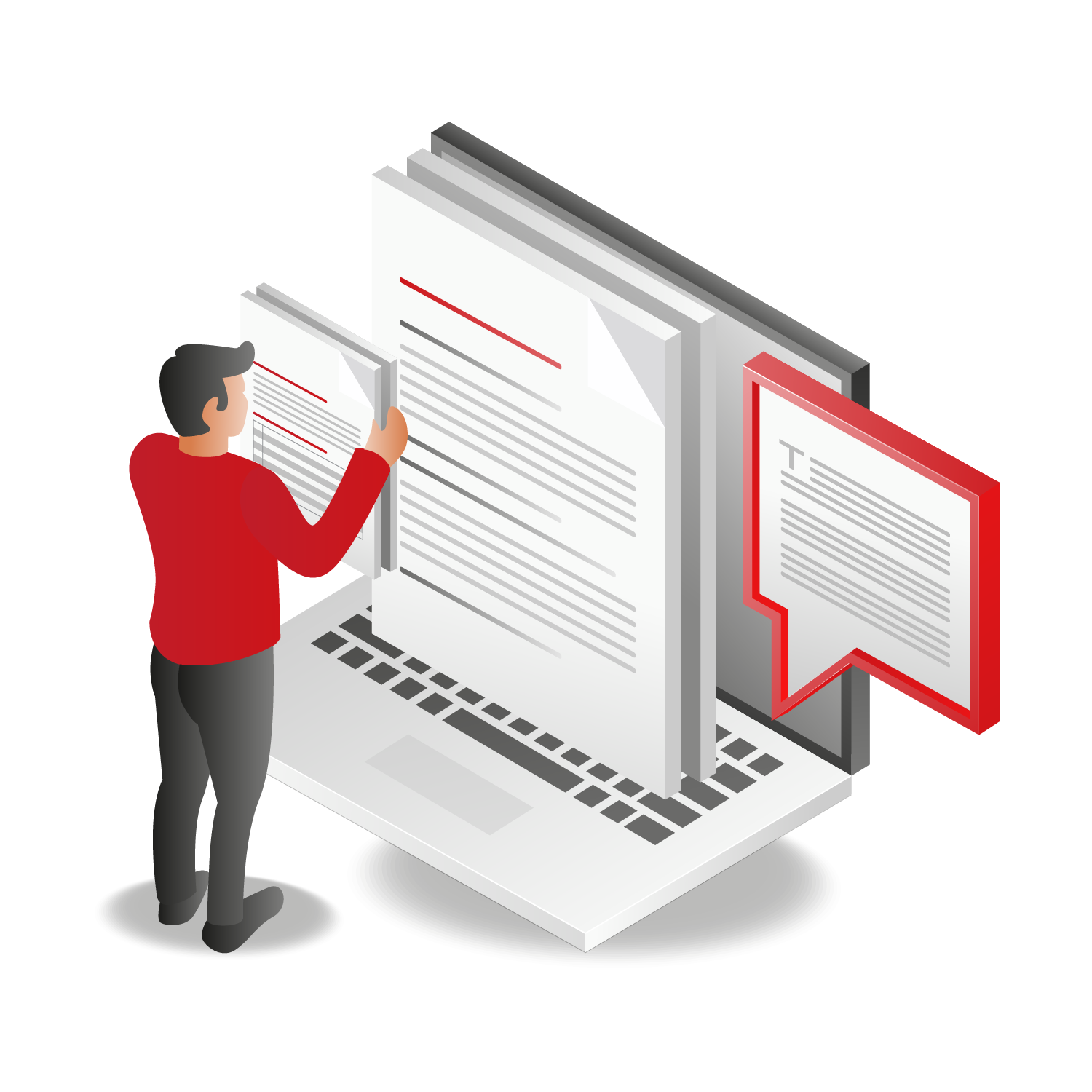
Arabic desktop publishing
Right-to-left layout for brochures, manuals and presentations, with suitable Arabic fonts and mirrored designs.
Explore →
Our linguists
Who translates your Arabic content?
Your project goes to professional, native Arabic translators who live in the region and specialize in your subject, whether that is law, medicine, finance or software. They know the conventions of each market, from Saudi Arabia and the UAE to Egypt and Morocco, and adapt tone, terminology and references to suit.
- Native Arabic linguists based in the Arab world
- Subject-matter specialists matched to your industry
- Dialect expertise across Gulf, Egyptian, Levantine and Maghrebi Arabic
- English, French, German and many other languages to and from Arabic


Quality
How do we keep Arabic translations accurate?
Every project follows our ISO 17100-certified workflow, with a dedicated project manager as your single point of contact.
- Translation by a qualified native Arabic linguist
- Revision by a second, independent linguist
- Glossaries and style guides for consistent brand terminology
- Right-to-left layout and in-context checks before delivery
Localization
What else can we localize into Arabic?
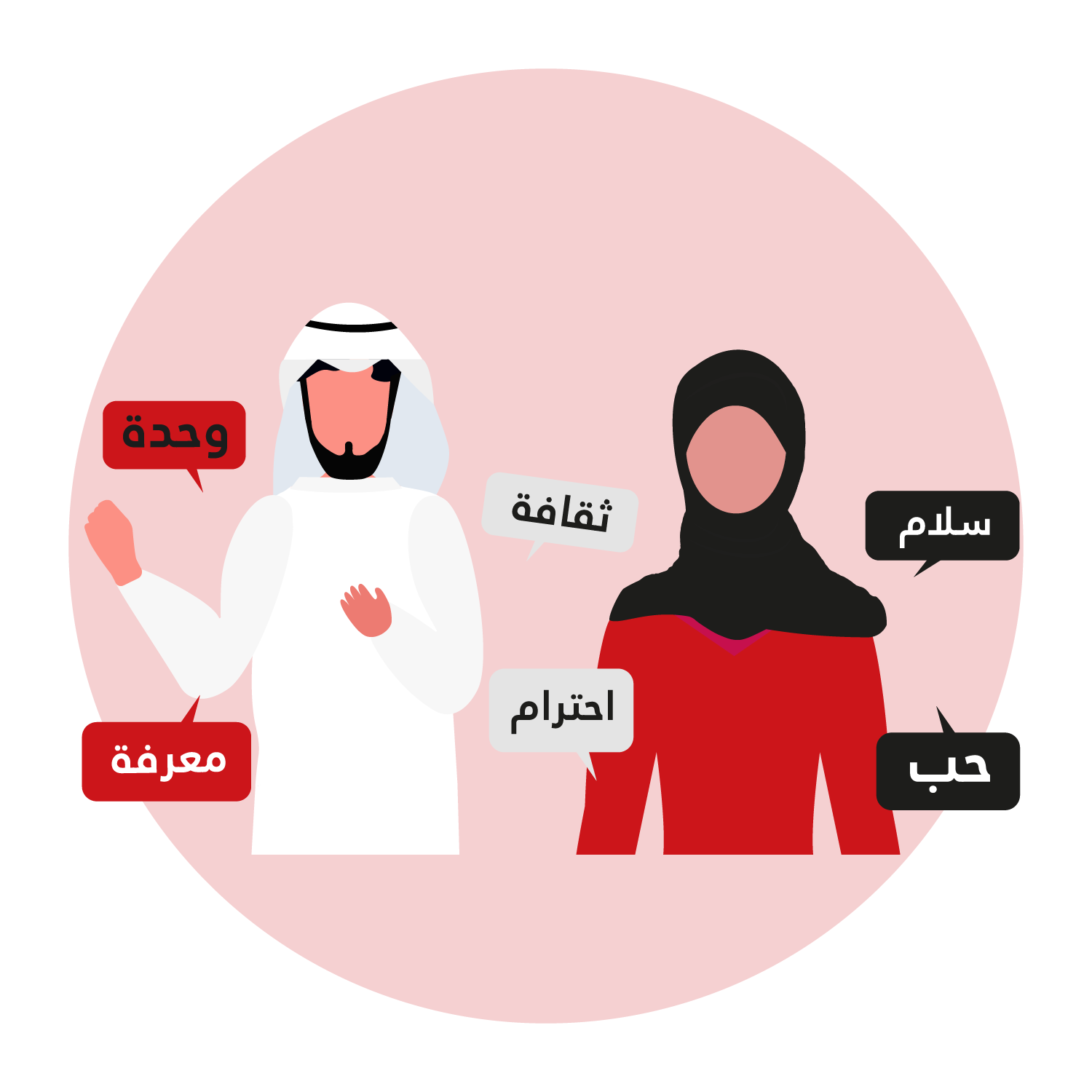
Beyond documents, we adapt digital content and media for Arabic-speaking markets.
Industries
Which industries do our Arabic translators serve?
Specialist Arabic translators for regulated, technical and consumer content.
Legal Arabic translation
Contracts, court documents and certified translations for MENA jurisdictions.
Explore →
Financial Arabic translation
Annual reports, Islamic finance documents and investor communications.
Explore →
Medical Arabic translation
Patient materials, device documentation and regulatory submissions.
Explore →
Government Arabic translation
Public notices, policy documents and multilingual citizen services.
Explore →
Energy Arabic translation
Technical specifications, HSE manuals and tenders for oil, gas and renewables.
Explore →
Ecommerce Arabic translation
Product listings, checkout flows and campaigns for online shoppers in the Gulf.
Explore →
Construction Arabic translation
Tenders, specifications and safety documentation for large infrastructure projects.
Explore →
Travel Arabic translation
Hotel, airline and tourism content for Arabic-speaking travelers.
Explore →
What clients say about our work

Legal Assistant
at Law Firm, USA
"AsiaLocalize came to my rescue when I needed translations from Afar and Somali, which are languages that were not easy to find translators for. When we needed a last-minute change in how the translations were certified to meet the court’s rules, the team at AsiaLocalize worked really hard to get us what we needed in a short time frame. I would definitely hire them again!"

Product Manager
at Software Development Co.
"AsiaLocalize was instrumental in helping us translate complex technical documents from English to Chinese. The accuracy and attention to detail they provided were exactly what we needed to ensure our product specifications were clearly communicated to our partners in China. Their team worked efficiently, even under tight deadlines, and delivered high-quality results. I would highly recommend AsiaLocalize for any translation needs!"
Senior Manager Practice
at Management Consulting Co.
We partnered with Asia Localize to translate a website into eight languages across ASEAN, and we’re thrilled with the results. Their team provided high-quality translations that maintained the intent of our work and resonated with local audiences. The process was smooth, and they delivered on time for every language. They were also flexible and accommodating to our requests for amendments and overall, a pleasure to work with

Need Arabic translation?
Tell us your target countries, dialect and file types, and we will send a quote with a clear timeline. Our native Arabic team handles translation, revision and right-to-left layout in one workflow.
Frequently Asked Questions About Arabic Translation
How much do Arabic translation services cost?
Arabic translation is usually priced per word. The rate depends on subject matter, dialect, turnaround and any desktop publishing needed. Send us your files and we will provide a detailed quote.
Should I translate into Modern Standard Arabic or a dialect?
Use Modern Standard Arabic for most written business content, such as contracts, manuals and websites, because readers across the Arab world understand it. Use a dialect such as Gulf, Egyptian or Levantine for spoken, informal or single-country content like ads, social media and voice-overs.
Why is Arabic hard to translate?
Arabic has its own right-to-left script, rich word forms and figurative expressions, and the written standard differs from everyday dialects. The US Foreign Service Institute rates it Category IV, among the hardest languages for English speakers to learn.
Do you provide certified Arabic translations?
Yes. Certified Arabic translations come with a signed and stamped certificate of accuracy, suitable for contracts, licenses, patents and personal documents such as birth certificates. Requirements vary by authority, so tell us where the translation will be submitted.
Can you handle right-to-left layout and Arabic DTP?
Yes. Our desktop publishing team lays out Arabic text right to left, mirrors designs where needed, uses suitable Arabic fonts and checks the final files before delivery.
What file formats do you accept for Arabic translation?
We work with common formats including DOC, DOCX, PDF, XLS, XLSX, ODS, ODT, PPTX, TXT and CSV, as well as website, software and multimedia files.
Which languages can you translate to and from Arabic?
We translate Arabic to and from English, French, German and many other languages. Overall we support 120+ languages through native linguists.

