Get a Free Quote for Your Business
Order a free quote by filling the form below
Connect with multilingual audiences and communicate your message clearly, in your own tone and voice, with subtitling, voice-over, dubbing and transcription delivered by native linguists in 120+ languages. Translation work runs on our ISO 17100 certified workflow, with 24/7 project support.

Order a free quote by filling the form below
At AsiaLocalize, we know how to customize your message to your target audience wherever they are while maintaining your style, tone, and voice.
AsiaLocalize localizes video and audio for audiences across Asia and beyond, using in-country linguists and ISO 17100 certified translation in your industry.
Which option do you need?
Not sure? Send us the asset and audience, and we will recommend the best fit for your budget.

Quick definition
Multimedia localization adapts video, audio and e-learning for other languages and cultures through subtitling, captioning, transcription, voice-over and dubbing. It matches timing, tone, on-screen text and cultural references, not just the script. AsiaLocalize delivers it with native linguists and voice talent in 120+ languages.
Last reviewed: by the AsiaLocalize localization team.
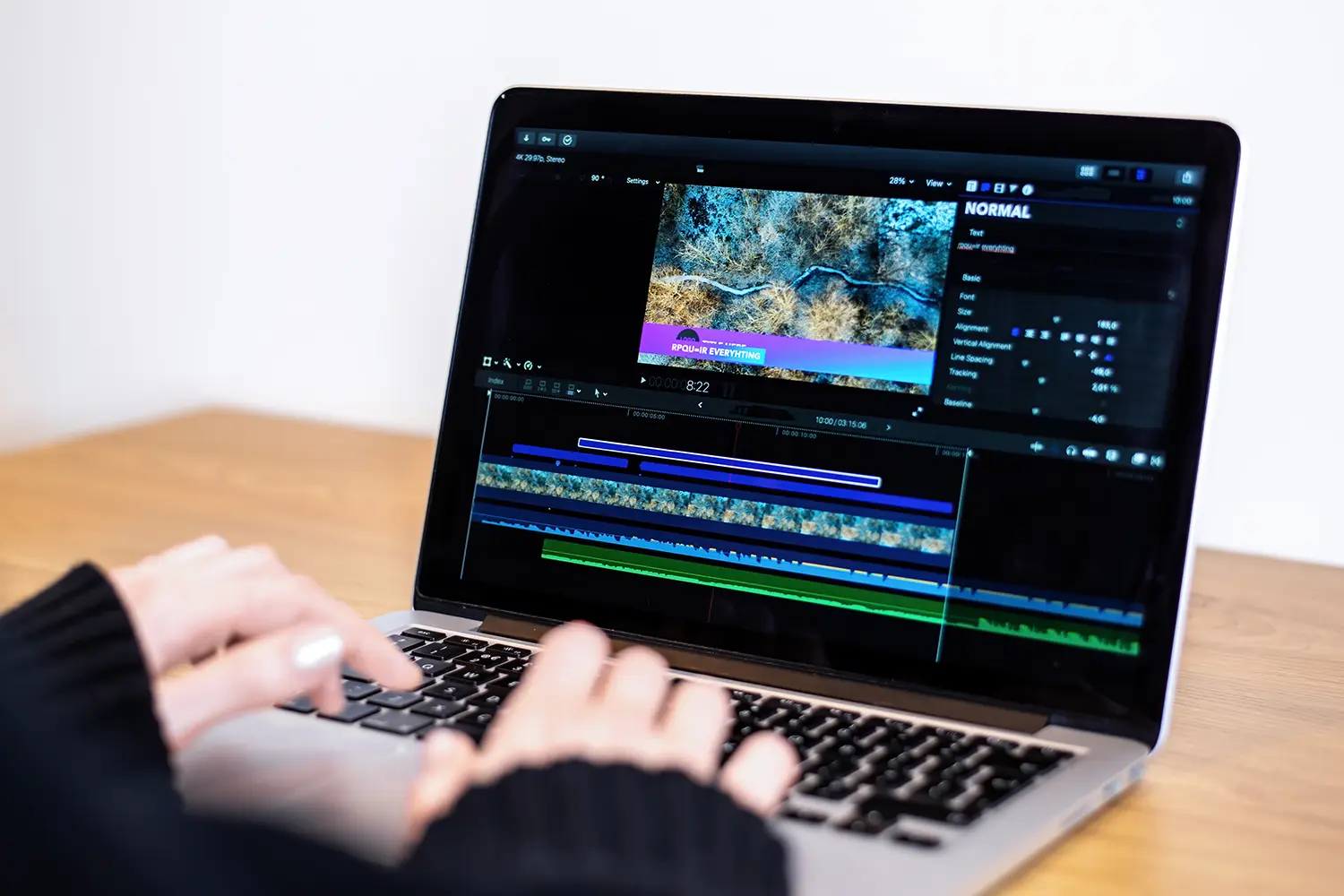
Our subtitle translation services help you deliver your video with on-screen dialogue in the language of your Asian audience. This way, your target audience can understand your message and enjoy your video.

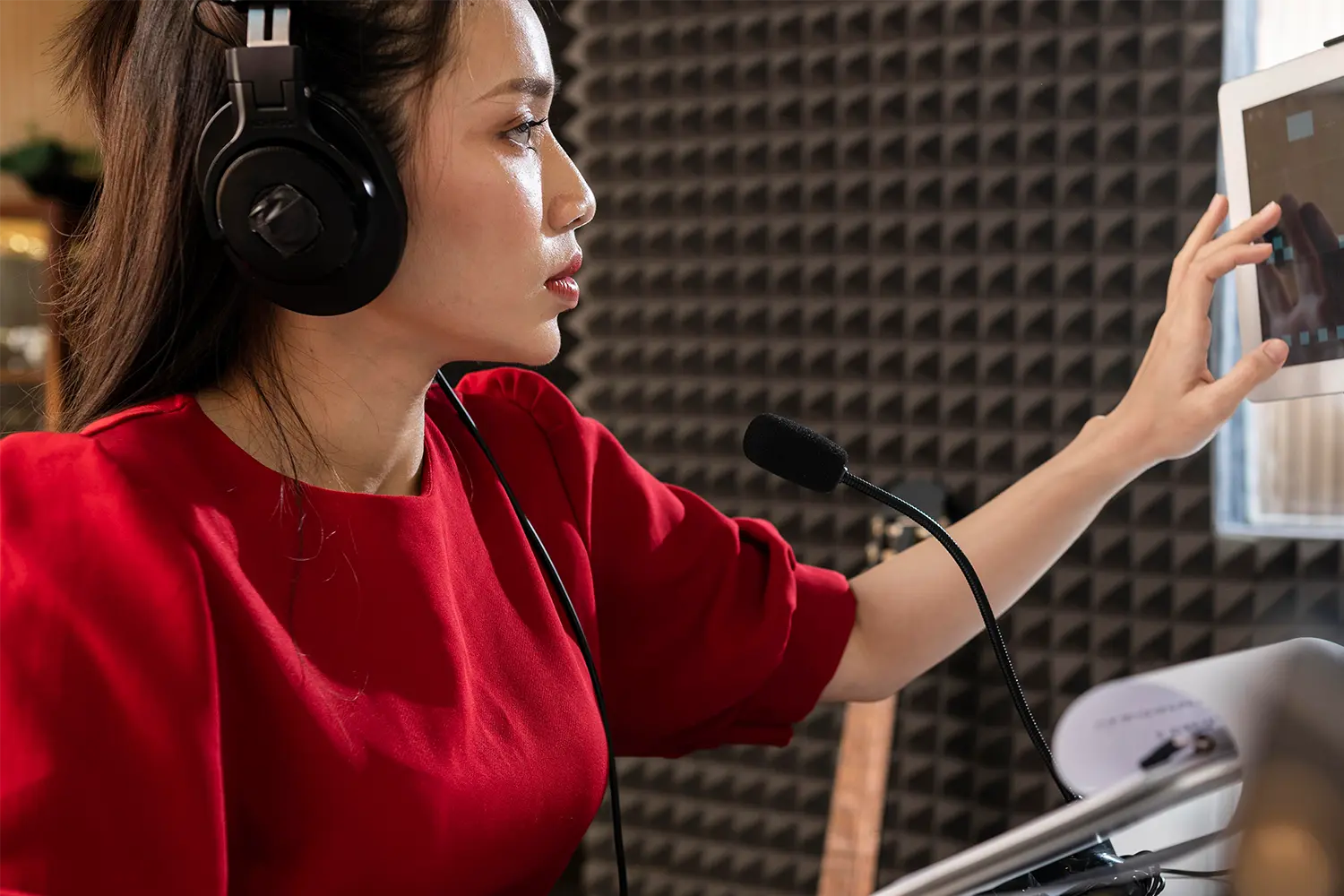

When it comes to multimedia content, it’s not only about the text. Your multimedia project contains imagery and audio, among other things. Therefore, you need more than a translation.
Our team members have the technical knowledge and cultural background to localize your content of any type and make it look and feel like it was initially created for them.
AI is reshaping multimedia localization. AsiaLocalize combines AI tools with human linguists to localize training, marketing, e-learning and large media libraries faster and at lower cost, without compromising quality or cultural accuracy.


AI automates time-consuming tasks such as transcription, subtitle timing, speech-to-text and voice generation, cutting turnaround on large projects. Every output is then reviewed and validated by native multimedia linguists for accuracy, clarity and cultural fit. Our AI-powered approach offers:

AI accelerates production, but human expertise ensures quality.
Every project follows our hybrid workflow:
This allows you to benefit from speed and scalability, while maintaining the high standards AsiaLocalize is known for.

Our flexible, competitive rates enable you to access high-quality multimedia services with fast, predictable turnarounds and within budget.
See how we handled a multilingual toolkit rollout across ASEAN markets in our ASEAN localization case study.
It depends on how the content is watched and what budget you have. Subtitling is the quickest and most economical, and works well when viewers watch without sound. Voice-over suits narrated corporate and e-learning material. Dubbing gives the most immersive result and costs the most, so it is usually reserved for entertainment and high-visibility brand content.
Ideally the original project or master file plus any existing script or transcript, because a finished, flattened video limits what can be adapted. Where only the final video exists we transcribe and time-code it first, then build the subtitle or audio track from that.
AsiaLocalize provides subtitling, voice-over, dubbing and transcription in 120+ languages, with a strong focus on Asian languages such as Chinese, Japanese, Korean, Thai, Vietnamese, Indonesian, Malay and Hindi.
Yes, where it helps. AI transcription and machine translation can speed up production, and native linguists review the output so timing, accuracy and tone stay right for the audience.

Phone: +603-2169-6313
Email: info@asialocalize.com

