Translation Workflow Automation: How to Integrate Your CMS, TMS & APIs
Translation workflow automation connects your CMS, TMS and APIs. Learn the architecture, security, quality controls and launch plan for scalable localization.
Read article Translation workflow automation connects your CMS, TMS and APIs. Learn the architecture, security, quality controls and launch plan for scalable localization.
Read article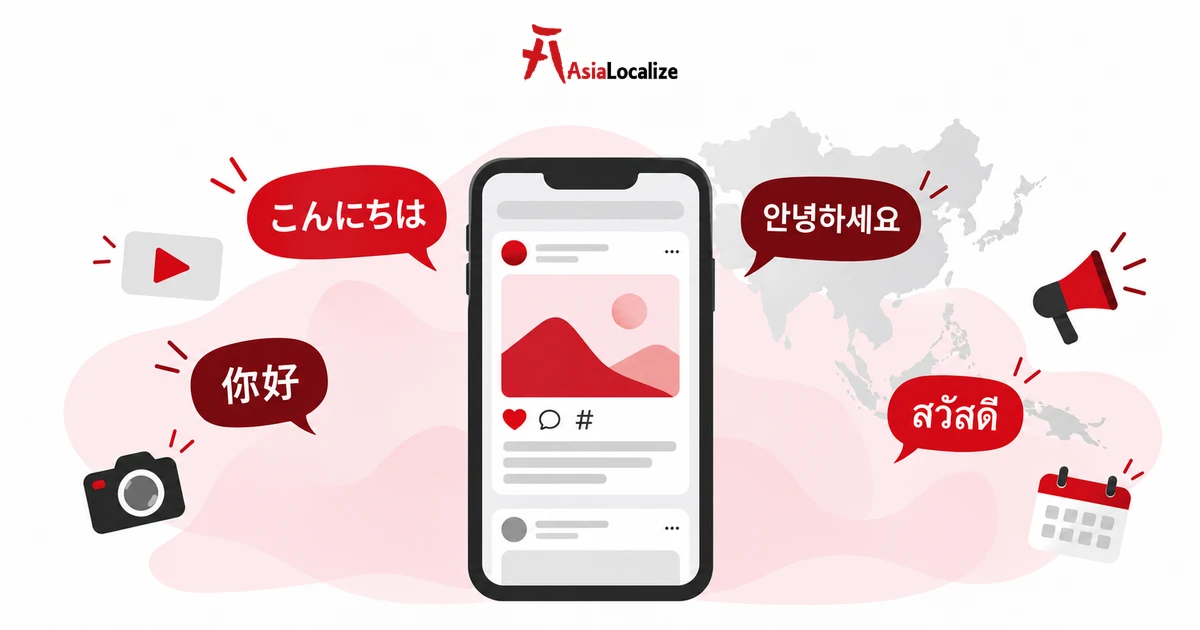
Social media localization for Asia: which platforms each market uses, what to change in every post, and a 6-step workflow for WeChat, LINE, KakaoTalk, Zalo and more.
Read article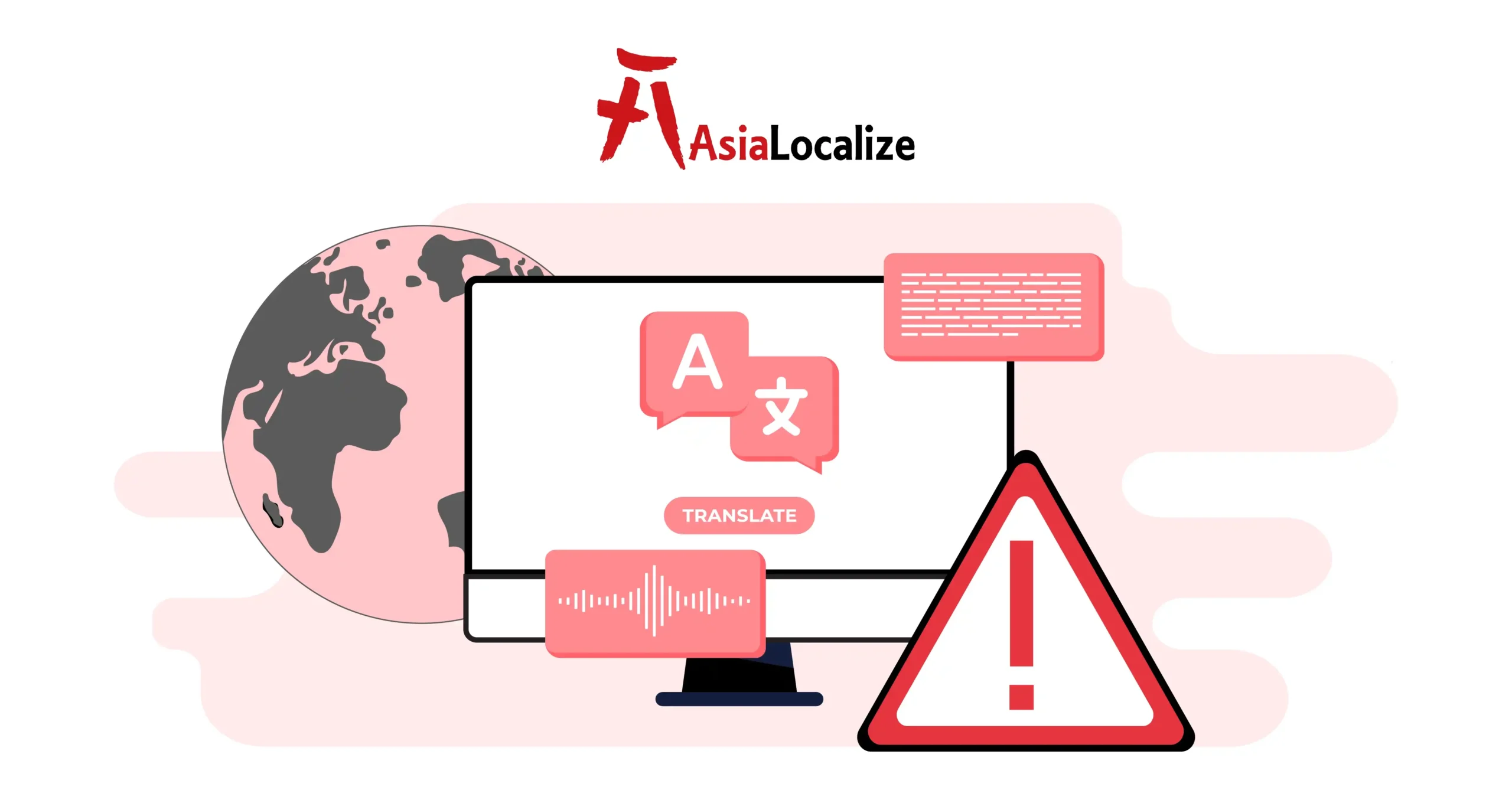
Machine translation errors can sound fluent while changing meaning. Learn 10 common failures, where they create business risk, and how MTPE and QA prevent them.
Read article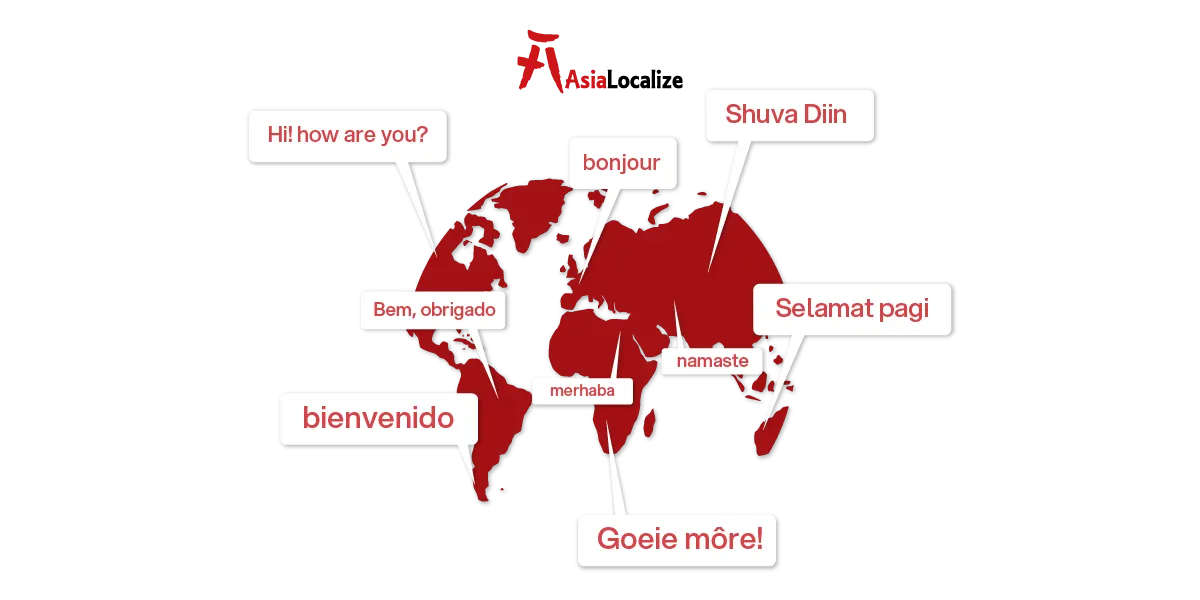
A practical guide to language localization, including locale planning, key differences, examples, an 8-step workflow, technology, QA, multilingual SEO and Asian-market considerations.
Read article
A practical 9-step global content strategy framework covering market prioritization, governance, localization, multilingual SEO, technology, measurement, and Asian-market execution.
Read article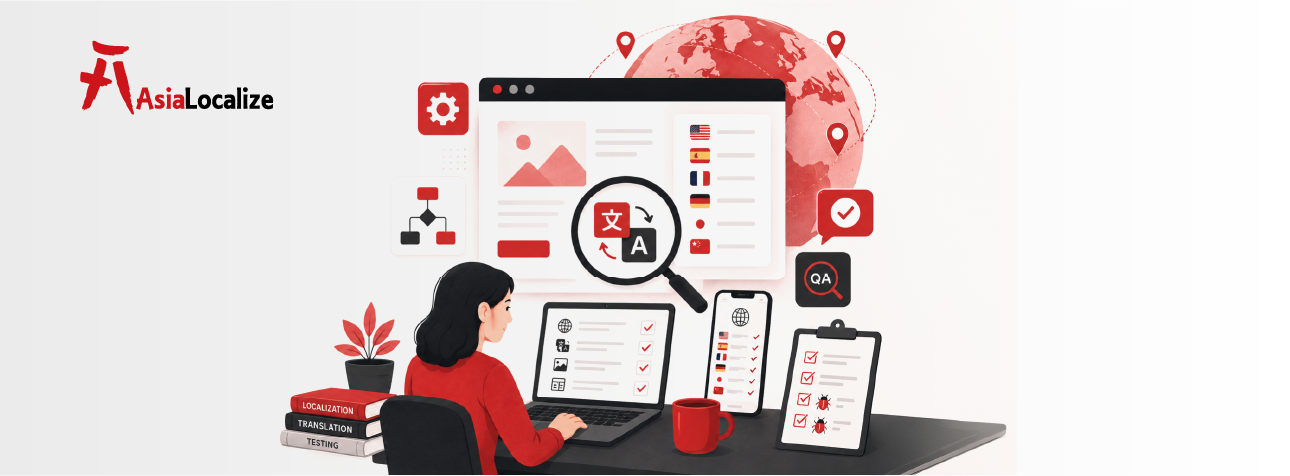
Use this translation testing checklist to verify language, layout, functionality, locale formats, accessibility and SEO before launching localized content.
Read article
Adaptation vs translation determines whether global content simply transfers meaning or is reshaped for local context. Compare the key differences, practical use cases, and a decision framework for choosing translation, adaptation, or transcreation.
Read article
Marketing transcreation adapts campaign intent, emotion, brand voice, and cultural cues so global messaging feels native in each target market. Learn the six-step process, best-use cases, measurement framework, and when standard translation is the better choice.
Read article
Phone: +603-2169-6313
Email: info@asialocalize.com
