Pharmaceutical Translation Services
- Home
- industries
- Pharmaceutical Translation Services
Accurate Pharmaceutical Translation Services for Global Approvals
AsiaLocalize provides pharmaceutical translation services for clinical trial documents, regulatory submissions, drug labels, SmPCs and patient leaflets in 120+ languages. Native linguists with life sciences backgrounds use controlled terminology and CAT tools, and every file goes through translation, editing and proofreading so content is precise, compliant and ready for FDA, EMA and other global authorities.
Quick definition
What Are Pharmaceutical Translation Services?
Pharmaceutical translation services translate the medical and regulatory documents that take a drug from research to market, such as clinical trial protocols, informed consent forms, SmPCs, drug labels, patient leaflets and eCTD submissions. Because errors can delay approvals or harm patients, the work needs subject-matter linguists, controlled terminology and multi-step quality review.
Pharmaceutical translation at a glance
- Documents: clinical trial, regulatory (eCTD/CTD), labeling, SmPCs, PILs and patents.
- Authorities: content prepared for FDA, EMA and other global regulators.
- Linguists: native translators with life sciences backgrounds.
- Quality: translation, editing and proofreading with CAT tools.
- Languages: 120+ languages.
See also: life sciences translation, clinical trials translation and back translation.
Published: · Last reviewed:

Why Do Drug Documents Need Specialist Pharmaceutical Translation?
In pharma, precision in language is as vital as precision in science.
| General translation | Pharmaceutical translation | |
|---|---|---|
| Translator | Generalist | Linguist with a life sciences background |
| Terminology | Varies | Controlled medical and regulatory terminology |
| Regulatory formats | Not considered | SmPC, PIL, eCTD/CTD and labeling requirements |
| Review | Single pass | Translation, editing and proofreading |
| Consequence of an error | Misunderstanding | Delayed approval or patient risk |
Our process
How Does Our Pharmaceutical Translation Process Work?
Built to combine precision with speed, so regulated content is accurate, compliant and delivered on time.

Document Assessment
Content type, audience and regulatory requirements define the approach.
Expert Selection
Native linguists and pharmaceutical subject-matter experts are chosen per project.
Translation and Localization
Medical terms adapted for local audiences with clarity and accuracy.
Quality Assurance
Multi-step review for accuracy, terminology and compliance.
Delivery
Translated files delivered ready to use.
AI-Assisted Consistency
AI and CAT tools speed up large volumes while linguists protect quality.
Why AsiaLocalize
Why Do Pharmaceutical Companies Trust Our Translators?
Life Sciences Linguists
Only subject-matter experts with life sciences backgrounds handle your content.
Regulatory Experience
Translations prepared for FDA, EMA and other global authorities.
Tailored Localization
Local adaptation without losing your global brand voice.
Fast, Accurate Turnaround
Efficient workflows and CAT tools for tight regulatory timelines.
ISO 17100 Certified
Certified translation processes for accuracy and consistency.
Confidential Handling
Files are shared only with the linguists assigned to your project.

Who we help
Which Life Sciences Sectors Do We Translate Pharmaceutical Content For?
Each sector speaks its own technical and regulatory dialect. We translate it with clarity, accuracy and cultural relevance.
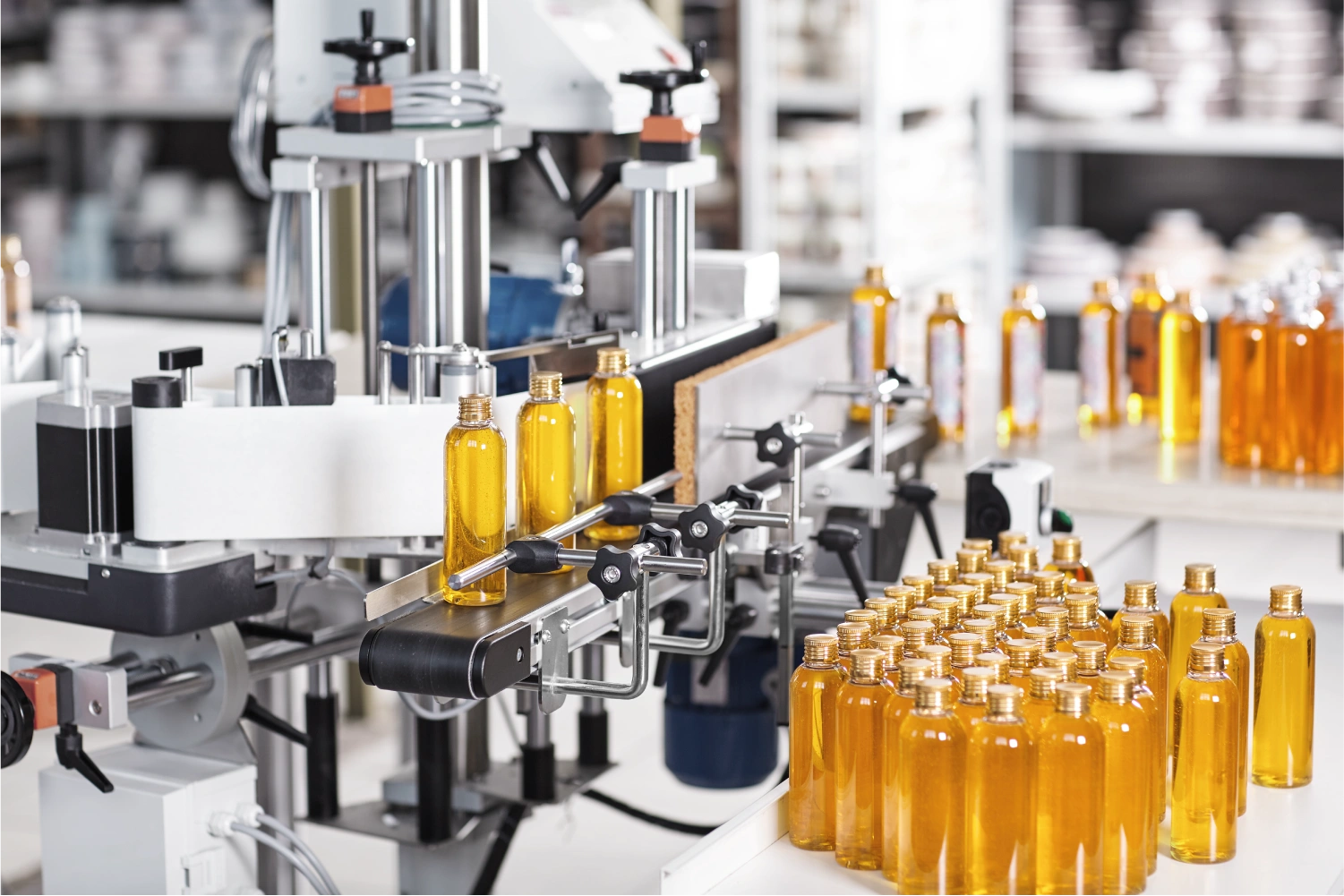
Pharmaceutical Companies
Flawless documentation from R&D to market authorization.
- Drug labels and packaging
- SmPCs
- eCTD/CTD regulatory submissions
- Clinical study reports

Biotech Firms
Language solutions as fast as your innovation.
- Research and white papers
- Protocols and investigator brochures
- Patents and applications
- Product monographs

Healthcare Providers
Patient communication that prioritizes safety and understanding.
- Patient information and consent
- Discharge instructions and treatment plans
- Medical histories and referrals

Life Sciences Organizations
Research that impacts real-world health outcomes.
- Quality-of-life assessments
- Patient-reported outcomes (PROs)
- HEOR content
- Safety and efficacy reports
Beyond translation
How Do We Turn Accurate Translations Into Localized Experiences?
From regulatory documents to patient-facing and promotional content, we adapt every piece for the audience, culture and channel it will reach.
Explore our localization services, back translation and desktop publishing.

Frequently Asked Questions About Pharmaceutical Translation Services
What are pharmaceutical translation services?
Pharmaceutical translation services convert medical and regulatory documents—including clinical trials, drug labels, patient leaflets, and regulatory submissions—into multiple languages while ensuring medical accuracy, regulatory compliance, and cultural appropriateness for healthcare communication across global markets.
Why is regulatory compliance important in pharmaceutical translation?
Regulatory compliance ensures translations meet FDA, EMA, and international authority requirements for drug approvals and market access. Non-compliant translations can delay product launches, result in regulatory rejections, legal penalties, or compromise patient safety through inaccurate medical information.
What types of pharmaceutical documents can be translated?
We translate clinical trial protocols, informed consent forms, Case Report Forms (CRFs), drug labels, packaging, Summaries of Product Characteristics (SmPCs), patient information leaflets, regulatory submissions (eCTD/CTD), clinical study reports, patents, research papers, and safety reports.
How do CAT tools improve pharmaceutical translation quality?
Computer-Assisted Translation (CAT) tools maintain consistency in medical terminology across all documents through translation memory databases. They reduce turnaround times, ensure uniform phrasing in repeated content, and minimize errors in technical pharmaceutical documentation.
What qualifications should pharmaceutical translators have?
Professional pharmaceutical translators must be native speakers with life sciences backgrounds (pharmacy, medicine, biology), industry-specific experience, understanding of regulatory requirements (FDA, EMA), familiarity with medical terminology, and often hold certifications in medical translation or relevant scientific degrees.
Which languages do you support for pharmaceutical translation?
We provide pharmaceutical translation in 120+ languages, with particular depth in Asian languages.
Do you offer back translation for pharmaceutical content?
Yes. Back translation is available for high-risk content such as informed consent forms, patient questionnaires and labeling.
