
Localization Engineering Services
Built for Files That Can’t Fail Globally
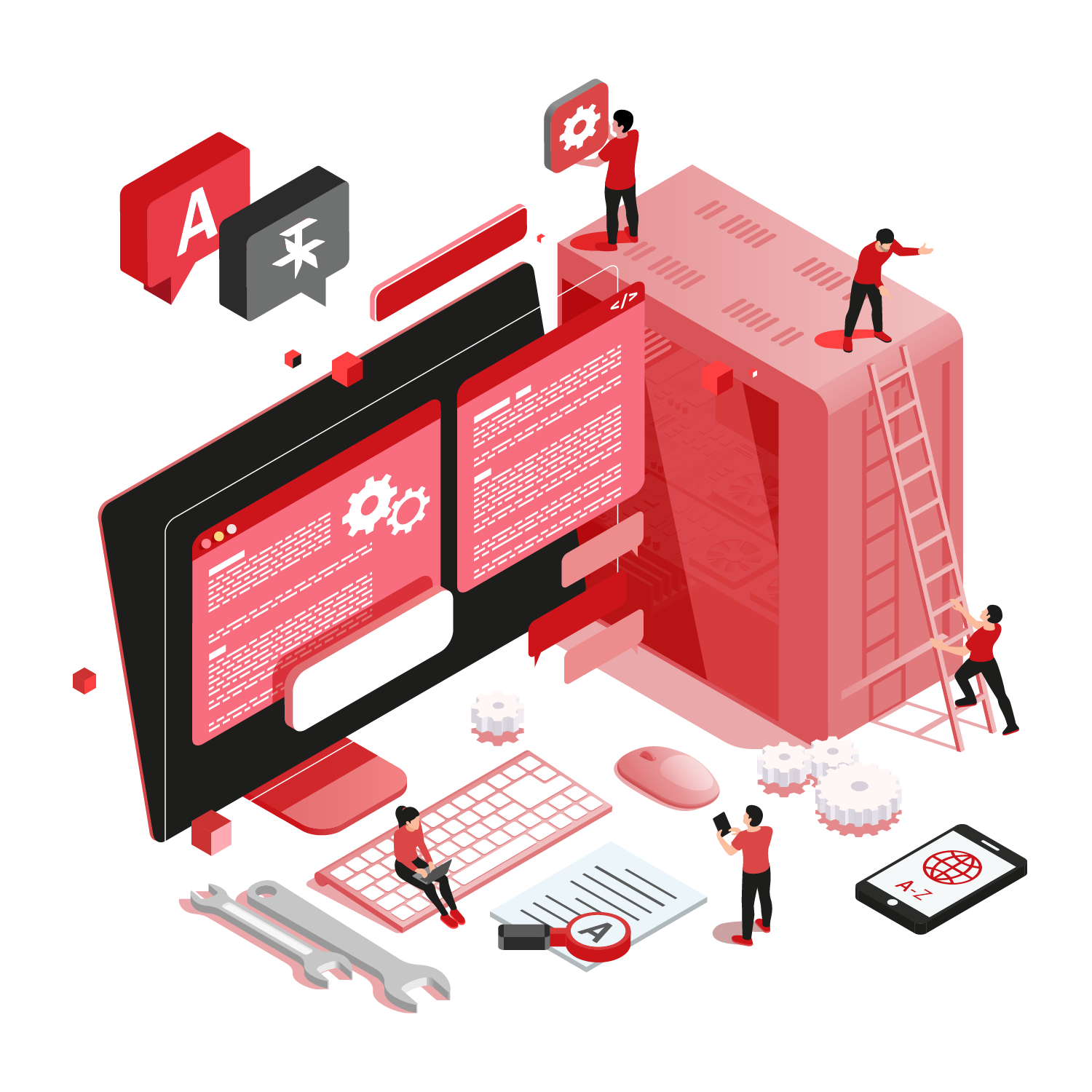
AsiaLocalize provides localization engineering services that turn complex, technical source files into clean, translation-ready assets and rebuild them after translation without breaking functionality. Our engineers handle file preparation, OCR, CAT tool setup, QA and final builds for software, apps, websites and documents in 120+ languages.

Quick definition
What Is Localization Engineering?
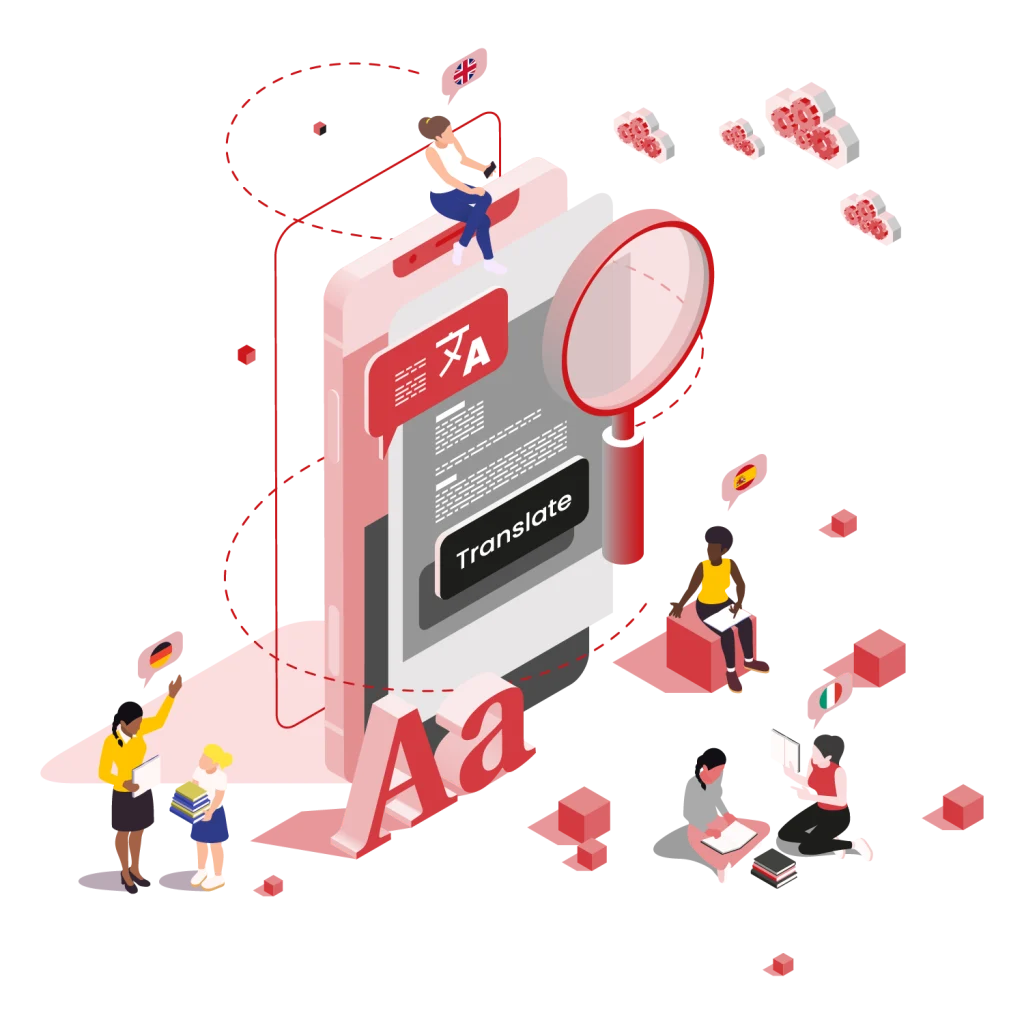
Localization engineering is the technical work around translation: extracting translatable content from complex files, protecting tags, code and formatting, configuring CAT tools, and rebuilding and testing the localized files so they work exactly like the source. Linguists handle the words; localization engineers make sure the files, builds and layouts don’t break in any language.
Localization engineering at a glance
- Formats: InDesign, FrameMaker, XML, JSON, YAML, PO, XLIFF, HTML, PDF and proprietary CMS formats.
- CAT tools: Trados, memoQ, Phrase, Smartling and other major platforms.
- Services: file preparation, OCR, TM and termbase setup, QA and file rebuilds.
- Workflows: CMS, Git and API integrations, including continuous localization.
- Quality: automated and manual QA on every file version.
See also: localization services, app localization and desktop publishing.
Published: · Last reviewed:
Our services
What Do Our Localization Engineering Services Include?
A technical foundation that lets your content scale across products, platforms and markets, from first file check to final delivery.
File Preparation and Processing
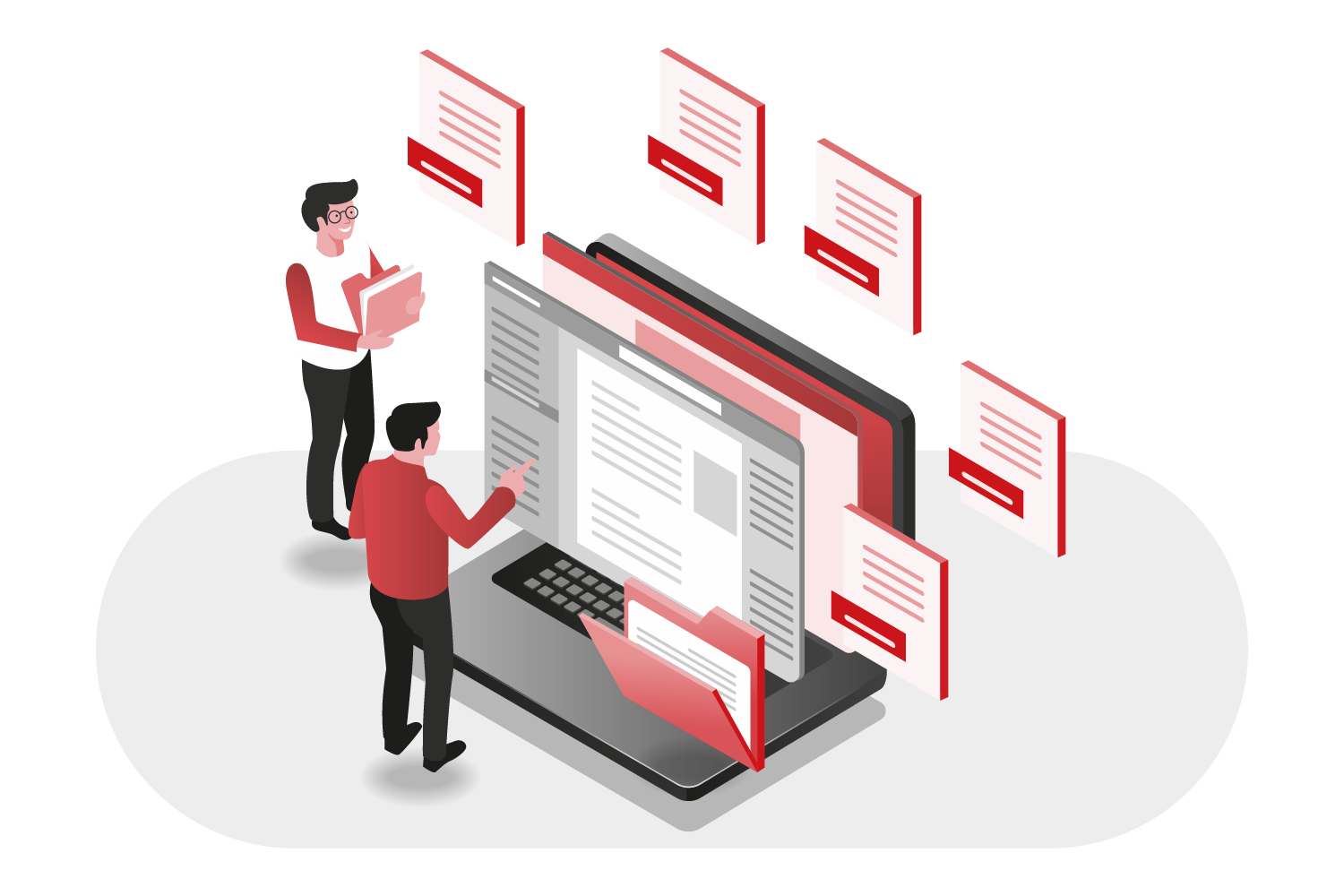
Files structured, protected and optimized before translation.
- Extraction from PDF, InDesign, FrameMaker, XML and JSON
- Tags, placeholders and variables protected
- CAT-ready packages in XLIFF and 15+ formats
OCR and Text Extraction
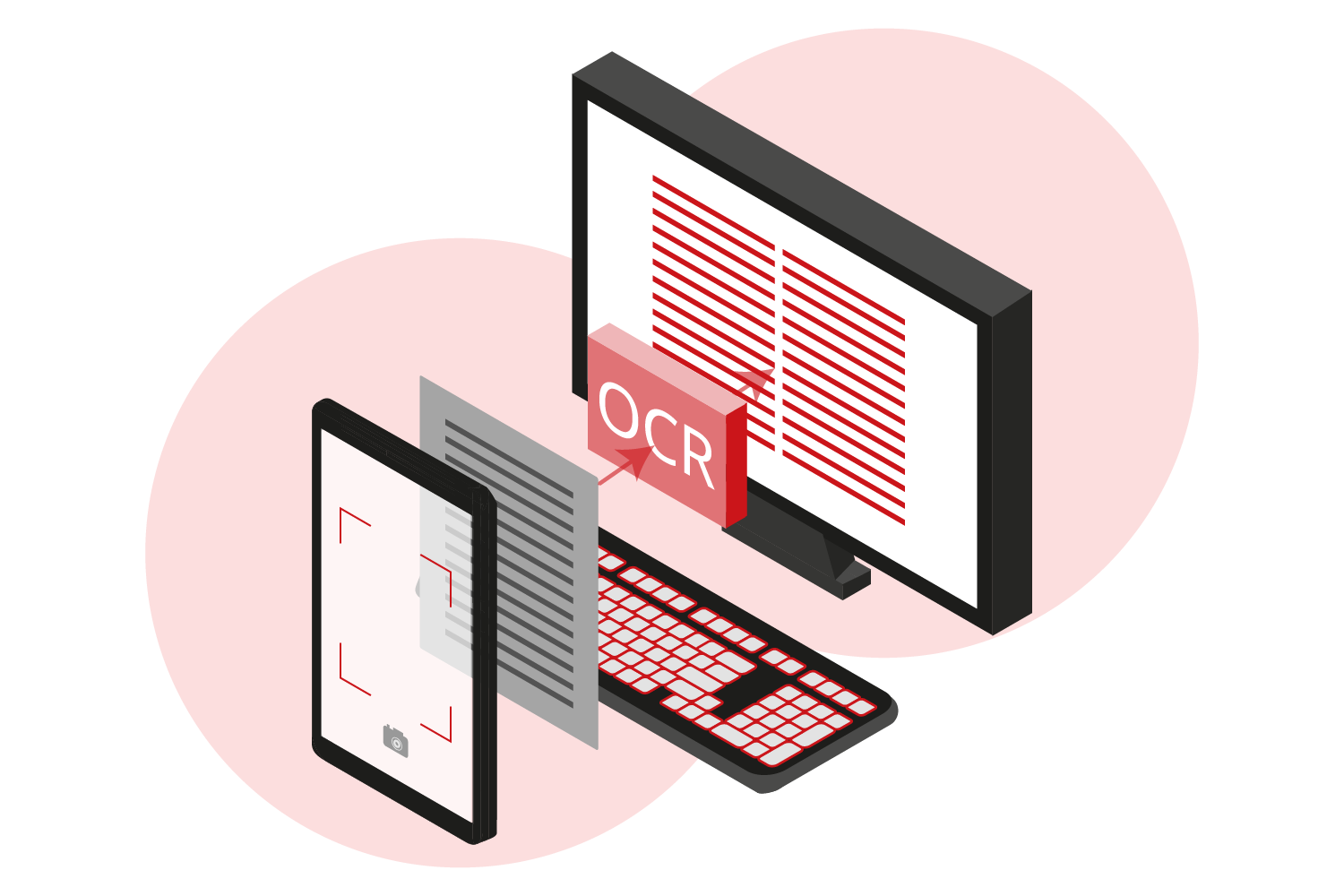
Scanned pages and legacy files turned into editable source.
- High-accuracy OCR for scans, PDFs and images
- Post-OCR correction and formatting cleanup
- Alignment into bilingual files
CAT Tool Engineering and Setup
Translation environments configured for consistency and speed.
- Translation memory and termbase setup
- Custom segmentation, regex and QA rules
- Packages for Trados, memoQ, Phrase and more
Quality Assurance and Validation
Errors caught before they reach your users.
- Automated tag and placeholder checks
- Terminology and formatting validation
- Functional testing of software and app builds

Build and Final Delivery
Production-ready files compatible with your environment.
- File reconstruction and encoding checks
- Pre-delivery testing
- Documentation and post-delivery support
Workflow Integration
Engineering that fits into how your teams already work.
- CMS and content pipeline integration
- Git-based version control workflows
- API automation and CI/CD for continuous localization
How Is Localization Engineering Different From Translation?
Translation focuses on language. Localization engineering protects everything around it.
| Translation | Localization engineering | |
|---|---|---|
| Focus | Language and meaning | Files, code, structure and functionality |
| Handles | Text, terminology and style | Tags, placeholders, variables, encoding and layout |
| Tools | CAT tools for linguists | CAT setup, regex, QA rules, scripts and APIs |
| Main risk if skipped | Inaccurate wording | Broken files, builds or layouts |
| Output | Translated text | Tested, production-ready localized files |
Industries
Which Industries Need Localization Engineering?
Every industry has its own file behavior, functional constraints and compliance rules. Our workflows adapt to each one.
Software and Technology
String files, resource bundles and version control for SaaS, mobile and enterprise systems.
Explore →
Gaming and Entertainment
Resource files, synced text, voice-over and visuals that keep gameplay intact.
Explore →
eCommerce and Digital Marketing
SEO-critical elements, tracking scripts and conversion layouts kept stable.
Explore →
Legal and Compliance
Layouts that carry legal weight, rebuilt accurately with confidentiality protocols.
Explore →
Manufacturing and Technical
Manuals, product guides, CAD exports and technical illustrations kept aligned.
Explore →
Quality-first process
How Does Our Localization Engineering Process Work?
A structured, ISO-aligned path that keeps every step clean, predictable and measurable.
File Analysis
Engineers evaluate structure, complexity and technical requirements.
Preparation
Source files are refined and converted into optimal translation formats.
Engineering Setup
TM and termbase configuration, regex rules and QA parameters.
Translation Support
Ongoing technical oversight during linguistic production.
Validation
Multi-layer automated and manual QA across all file versions.
Delivery
Fully tested, production-ready files in your requested format.

Frequently Asked Questions About Localization Engineering
What is localization engineering?
Localization engineering is the technical work around translation: extracting text from complex files, protecting tags and code, configuring CAT tools, and rebuilding and testing localized files so they work exactly like the source.
What file formats can your localization engineers handle?
We work with InDesign (IDML), FrameMaker (MIF/FM), XML, JSON, YAML, PO files, XLIFF and SDLXLIFF variants, Microsoft Office documents, PDF and OCR-based assets, HTML/CSS, and proprietary formats from major CMS platforms.
How is localization engineering different from translation?
Translation focuses on language. Localization engineering protects everything around it: clean extraction of translatable text, protection of tags, placeholders, variables and logic, rebuilding files that behave exactly like the source, and troubleshooting technical issues during the translation cycle.
Do you provide training for our internal CAT tool users?
Yes. We offer hands-on training covering TM and termbase creation and maintenance, segmentation rules and regex setup, file preparation best practices, and error prevention and QA configuration.
Can you integrate with our existing translation workflow?
Yes. We integrate with your translation technology stack (Trados, memoQ, Phrase and others), CMS platforms and content pipelines, Git-based version control, and API-driven automation for custom processes.
What is the typical turnaround for engineering services?
Turnaround depends on file complexity, but our workflows are structured to keep projects moving quickly and predictably. Send us your files for a free analysis and we will confirm a timeline.
Do you support continuous localization for agile development?
Yes. For teams that release frequently, we provide API-based automation, CI/CD pipeline integration, real-time file processing for ongoing sprints and engineering support for rapid releases.
Our Achievements

Make Your Localization Pipeline Run the Way It Should
Send us your files for a free analysis. Our engineers will review structure, formats and technical requirements and recommend the right workflow.

