
International expansion rarely fails due to strategy; it fails at the moment a real customer hesitates.
On paper, scaling into new markets appears straightforward: a new region, a translated website, and paid acquisition switched on. But in practice, trust is fragile. The second something feels “off”—a product description that reads like a translation, a checkout flow that ignores local habits, legal terms that sound imported rather than compliant—momentum stalls. Not dramatically, but quietly: lower conversions, longer decision cycles, and a support queue filled with questions that shouldn’t exist in the first place.
There’s data behind that hesitation. According to CSA Research, 76% of consumers prefer to buy products with information in their own language, and 40% won’t purchase at all if it isn’t. That gap between “can understand” and “feels right” is where most international launches quietly lose revenue.
It’s a localization gap, where language, UX, cultural context, and market expectations fail to align at the same time.
Here’s what that actually takes in practice; this guide breaks it down step by step, from market selection and language strategy to building a localization workflow that converts from day one.
What international expansion really involves
Expansion looks simple until you try to run it. What seems like a market decision quickly turns into a coordination challenge between strategy, operations, and localization. When those pieces don’t move together, even strong launches lose momentum where it matters most: with real customers.
Define Success Before You Pick the Market
Before selecting markets, align the plan to an international business strategy that fits the product and operating model.
It sounds obvious, but most expansion plans begin with geography instead of intent.
Expansion only works when success is defined in operational terms:
- Revenue targets: What does traction look like in 3, 6, or 12 months?
- CAC ceiling: How much can you afford to spend before acquisition becomes unsustainable?
- Launch timeline: Are you testing demand quickly, or committing to a structured rollout?
- Compliance scope: What regulatory barriers shape how you enter (data, payments, contracts)?
And this is where complexity compounds. Every new market introduces layers you don’t face at home: cultural nuance, legal frameworks, payment expectations, customer behavior.
Build a Simple Scorecard Before You Commit
Once the goal is clear, the next step is filtration.
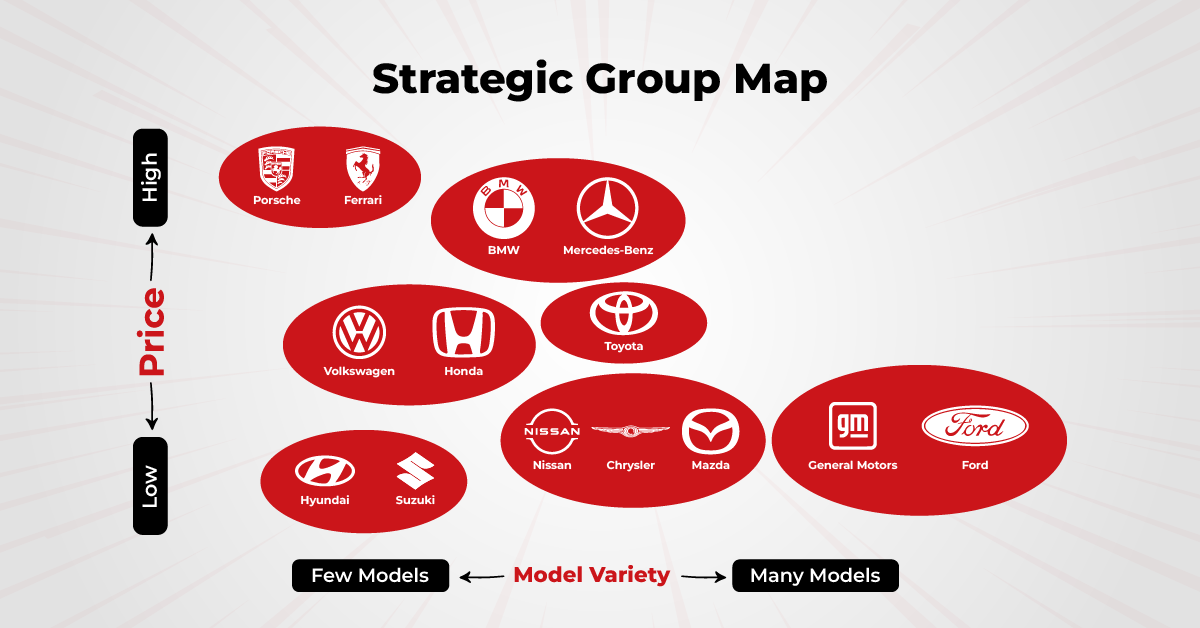
A simple expansion scorecard helps you compare markets based on real signals:
- Market sizing & demand forecasting
Estimate TAM/SAM/SOM, growth rate, and purchasing power. - Customer segmentation by country
Identify who buys, who influences, and who blocks. - Competitive landscape assessment
Map local incumbents, pricing expectations, and trust signals. - Early local fit check
Evaluate language expectations, support coverage, legal requirements, and UX norms.
Learn how to scale with effective international marketing.
From Market Research to Market Fit: A Practical Expansion Playbook
Expansion works when every piece, strategy, operations, and localization, moves together. This section lays out a clear, step-by-step path to get there, so your launch actually converts in the target market.
Step 1: Choose the Market for the Right Reasons
Market selection works best when it answers a simple but demanding question: why this market, and why now?
That answer comes from pressure-tested signals:
- Demand triggers & real use cases
What problem does your product solve in this market, and how urgent is it locally? - Buying committees & decision dynamics
Who signs off, who influences, and what objections typically stall decisions? - Channels that actually convert
Which acquisition paths work here, search, marketplaces, partnerships, social commerce?
A useful filter:
What would make a local buyer switch from their current option?
Step 2: Pick the Right Entry Model (Speed vs Control)
How you enter a market shapes everything that follows: brand perception, operational complexity, and long-term scalability.
Each entry mode carries a different tradeoff:
- Exporting
Fast to launch, low operational overhead. Works well for early validation, though control over distribution and customer experience stays limited. - Licensing
Lower cost of entry with local partners handling execution. Scales quickly, but introduces brand risk if quality and positioning drift. - Joint Venture (JV)
Shared investment, shared control. Often, the right move in regulated industries or distribution-heavy markets, where local expertise directly impacts success. - Mergers & Acquisitions (M&A)
Used when speed and trust matter most. Acquiring a local player brings an existing customer base, team, and market credibility at a higher upfront cost.
Step 3: Set Up Operations That Can Actually Scale
Execution breaks when ownership is unclear. That’s why operations need to be structured early before demand starts building.
Focus on the fundamentals:
- Entity setup & governance
Define legal structure, reporting lines, and approval workflows. - Global hiring & Employer of Record (EOR)
Balance speed with compliance when building local teams. - Distribution & local partners
Clarify who owns demand generation and who owns fulfillment before responsibilities blur.
Step 4: Build a Localization Strategy That Covers Every Touchpoint
This is where expansion either feels native or falls apart.
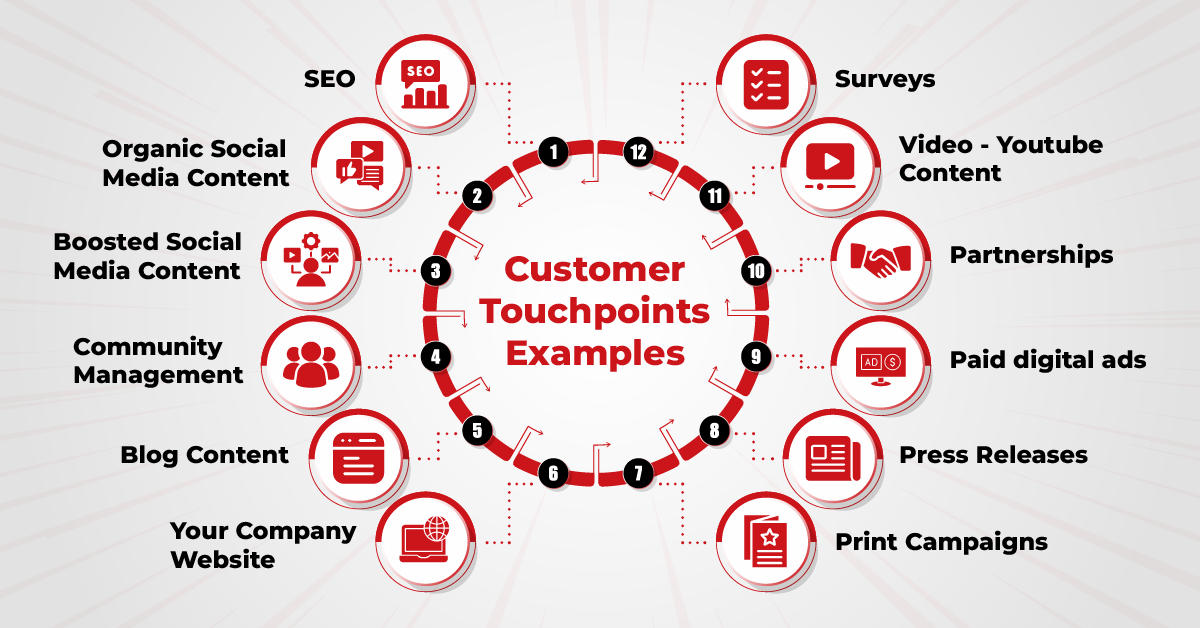
Localization works best as a continuous system. Every customer touchpoint carries weight:
- Website and landing pages
- Onboarding flows
- Emails and lifecycle messaging
- In-app UI and product experience
- Checkout and payment flows
- Support centers and FAQs
- Legal and compliance pages
And beyond language, there’s cultural adaptation:
- Tone of voice (formal vs conversational)
- Proof points (data-driven vs authority-driven)
- Claims and expectations (direct vs implicit)
- Imagery, examples, and references
A well-known example comes from Coca-Cola’s “Share a Coke” campaign. In Western markets, it featured individual names. In China, the concept shifted to relationship-based labels—“close friend,” “classmate”—reflecting how identity and connection are expressed locally. Same campaign, different emotional entry point.
That’s the difference between translation and localization.
Teams often treat launch as a campaign, but expansion needs International Marketing that stays consistent across markets. Because what customers experience post-launch matters far more than how you announce your arrival.
Build a smarter global expansion plan before you launch.
What Actually Moves Revenue in New Markets
This is where it all comes down to execution: how people find you, how natural the experience feels, how easy it is to pay, and whether anything makes them hesitate at the last step.
Be Discoverable Where and How People Actually Search
A strong launch plan includes International SEO so local buyers can discover the product in their own search habits.
Visibility in a new market starts with intent. Local search behavior often diverges from English patterns, even when the product is identical.
Focus on what drives early traction:
- Market-specific landing pages
Structure pages by country or language, with localized URLs and clear internal linking between locales. - Localized keyword research
Map search intent in each market. Direct keyword translation often misses how people actually phrase problems. - Localized metadata and schema
Titles, descriptions, and structured data should reflect local terminology, not just translated equivalents. - Internal linking by locale
Guide users and search engines through a coherent, language-specific journey.
Competitors who win early tend to do one thing well: they show up in the language their customers think in.
Learn how to build visibility with International SEO.
Make the Experience Feel Instantly Familiar
Users decide quickly whether a product “belongs” in their market. That decision happens in seconds, often before they read a full sentence.
What shapes that perception:
- Navigation, forms, and error messages
Labels should feel natural. Microcopy carries more weight than most teams expect. - Local date, time, and number formats
Small inconsistencies signal “foreign” immediately. - Trust signals
Local certifications, recognizable payment logos, and region-specific reviews build confidence fast. - Support expectations
Some markets expect live chat; others rely on email. Response time matters as much as channel choice.
Remove Friction at Checkout (Where Revenue Is Won or Lost)
Conversion often drops at the final step, and the reason is the payment experience.
Aligning with local payment preferences plays a major role in reducing abandonment and improving authorization rates. Their expansion insights are worth reviewing here:
Key areas to address:

- Local payment methods
Cards alone rarely cover all markets. Digital wallets, bank transfers, and region-specific methods can be essential. - Tax invoice expectations
Format, detail, and compliance requirements vary widely across countries. - Subscription billing norms
Billing cycles, trial expectations, and cancellation flows differ by region. - Cross-border payments and billing
Ensure settlement flows, fees, and processing align with local infrastructure. - FX (foreign exchange) risk management
Pricing strategy, hedging, and settlement choices all impact margins and perceived fairness.
International expansion only looks linear from the outside. But it’s a series of small decisions that either build trust or quietly erode it.
You can choose the right market and still struggle if the experience feels slightly off. You can invest in acquisition and still lose conversions if checkout doesn’t match local expectations. And you can translate everything perfectly, yet miss the mark if the message doesn’t land culturally.
What separates teams that scale from those that stall is alignment. Strategy, operations, and localization work together from the start.
At AsiaLocalize, we look at how your product enters a market end-to-end, what needs to be adapted, what needs to stay consistent, and where localization will directly impact performance. From language selection and market prioritization to multilingual SEO, UX localization, and continuous content workflows, every decision is tied to how your audience actually behaves.
We help you choose the right approach for each scenario, whether that’s full human translation with native review, MTPE for scale, or a hybrid model built around your timelines and budget.
Turn your international expansion into real revenue.
See how our AsiaLocalize website localization services help you convert.