

A campaign can be translated perfectly and still fail to travel. The words are correct, but the wit disappears, the emotion weakens, and the call to action feels borrowed. That matters when CSA Research found that 76% of online shoppers prefer products with information in their own language.
A transcreation agency closes that gap by reshaping creative content for the target culture while preserving strategy and brand voice. When does translation stop being enough, and how do you find an agency with the creative and linguistic depth for the job?
What a Transcreation Agency Really Does
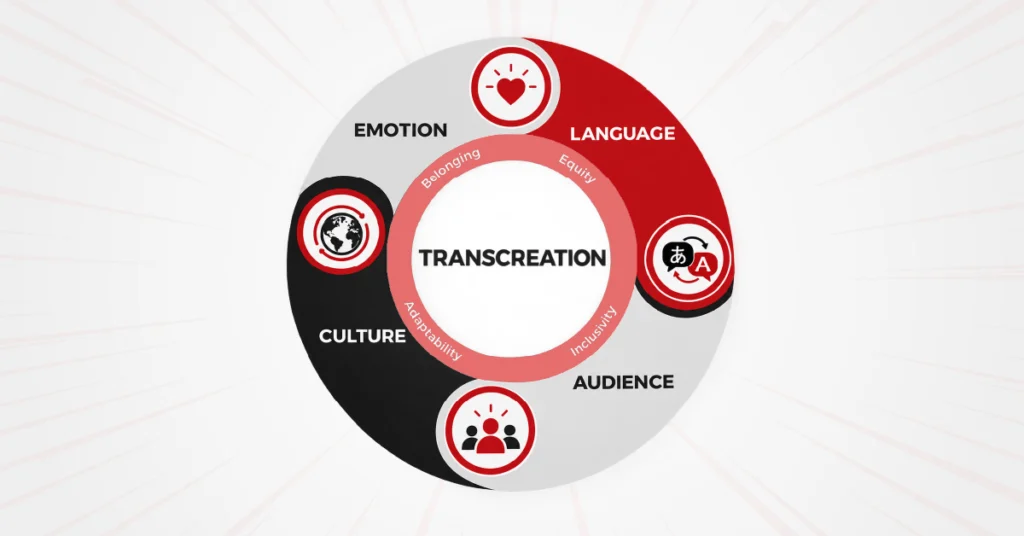
A transcreation agency takes a campaign that works in one market and rebuilds it for another without stripping away the reason it works. The team studies the objective, emotional tone, persuasive device, and brand personality behind the source, then gives those elements a natural local expression.
Start With the Response
A transcreation agency begins by asking what the audience should think, feel, or do. Should the message create urgency, signal luxury, build trust, provoke curiosity, or make people laugh? Those questions matter more than preserving the original sentence structure.
The team then examines the creative brief, target audience, market context, brand voice, campaign objective, channel, and any mandatory product or legal language. These elements establish the creative guardrails: what must remain consistent, what can change, and where local expectations may require a different approach.
Give the Idea a Local Creative Life
Native-language transcreators look at connotation, humour, rhythm, idioms, social conventions, audience sensitivities, purchasing behaviour, and the cultural associations attached to individual words or images.
Take an English tagline built around a double meaning. A literal rendering may explain the sentence perfectly while killing the joke. A transcreator may replace the wordplay entirely, provided the new line delivers the same promise, personality, and persuasive pull. The expression changes so the idea can survive.
Show the Thinking Behind the Copy
Transcreation often yields several creative routes rather than a single definitive answer. Each option may come with a back-translation, creative rationale, tone notes, and an explanation of the cultural choices behind it.
These supporting materials allow brand teams to compare options without judging foreign-language copy word for word. They also make the process easier to review, approve, and scale across markets while keeping strategic decisions visible.
Typical Transcreation Outputs
Scope varies by provider, market, and project. Common outputs across the industry may include:
- Campaign concepts and key messages: Global ideas reshaped around local motivations, cultural references, and audience expectations.
- Slogans, taglines, and headlines: Short-form copy recreated to preserve memorability, tone, rhythm, and impact.
- Advertising copy: Content for paid social, display advertising, search campaigns, print, outdoor media, and point-of-sale materials.
- Digital campaign content: Landing pages, campaign microsites, email campaigns, promotional banners, and product-launch pages.
- Social and influencer content: Captions, short-form scripts, calls to action, hashtags, and campaign language designed for local platforms and communities.
- Audiovisual creative: Video and radio scripts, voice-over lines, on-screen copy, and creatively adapted subtitles.
- Brand storytelling: Manifestos, brochures, product narratives, and other content shaped around a distinctive brand personality.
- Creative decision support: Alternative copy routes, back-translations, cultural notes, creative rationales, and, where relevant, recommendations concerning names, imagery, symbols, or references.
Transcreation, Translation, Localization, or Copywriting: Choose by the Job
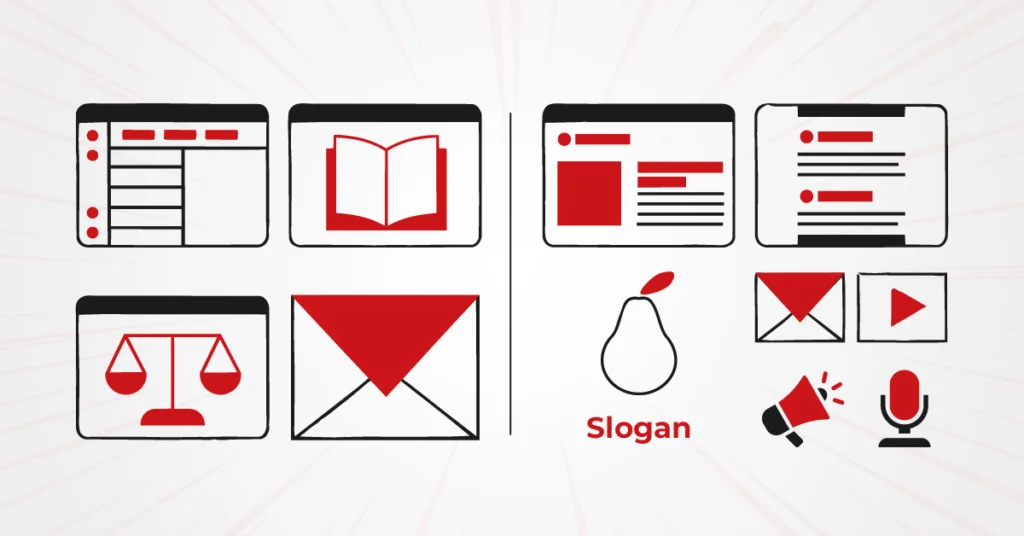
The distinctions below reflect common industry practice. Scope and terminology may vary between providers.
| Approach | Primary purpose | Creative freedom | Dependence on the source | Typical assets | Common deliverables |
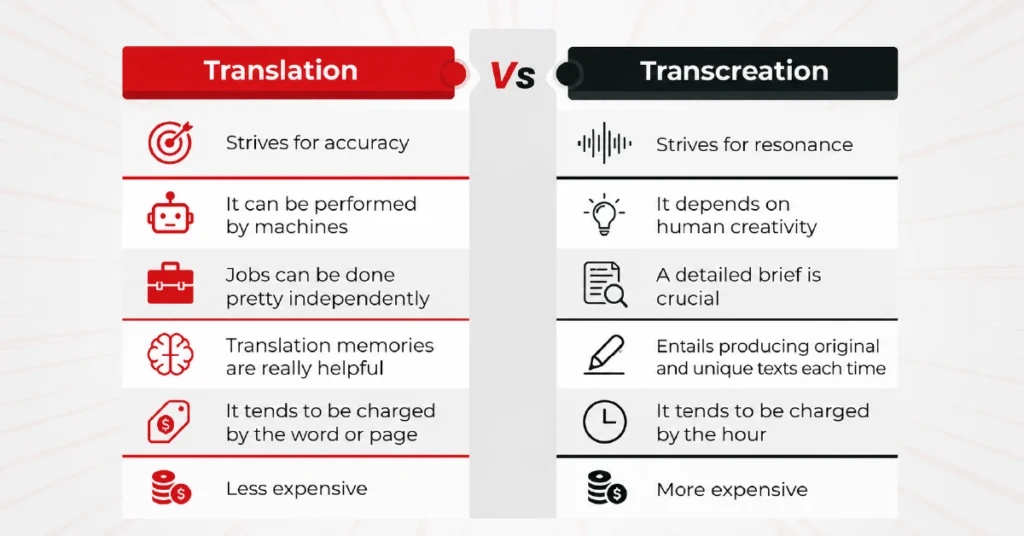
| Translation | Transfer meaning accurately and naturally into another language. | Low to moderate, depending on the content and brief. | High. The target text remains closely tied to the source information, structure, and terminology. | Contracts, reports, manuals, policies, product specifications, training materials, and informational content. | Translated files, bilingual documents, approved terminology, and linguistic QA documentation where required. |
| Localization | Adapt content or a digital product so it reads, looks, and functions naturally in a specific market. | Moderate. Language, formats, layouts, interface elements, and examples may change. | High at the content or product level, with flexibility around market-specific details. | Websites, apps, software, games, e-commerce platforms, help centres, and multimedia products. | Localized copy and interfaces, adapted currencies and formats, market-specific assets, and linguistic or functional QA. |
| Transcreation | Recreate the intent, emotion, persuasion, and brand character of creative content for another culture. | High, within the campaign strategy, brand voice, legal requirements, and approved claims. | Concept-led. The strategic purpose remains fixed, while the wording may change substantially. | Slogans, taglines, campaign headlines, advertisements, social content, video scripts, and brand storytelling. | One or more creative routes, back-translations, rationales, cultural notes, and final market-ready copy. |
| Copywriting | Create original content for a defined audience, channel, and business objective. | High, within the creative brief and brand guidelines. | Low or none. The writer may use research, product information, or an existing campaign concept rather than source copy. | New webpages, email campaigns, advertisements, brochures, articles, scripts, and thought-leadership content. | Original concepts, headlines, body copy, calls to action, scripts, and source-market or in-market content. |
As a practical starting point, choose according to the response you need: understanding points to translation, seamless use to localization, emotional or persuasive impact to transcreation, and a fresh message to copywriting. Complex launches may need several of them working together.
When Should You Use a Transcreation Agency? Three Clear Signals
A transcreation agency earns its place when the wording carries part of the strategy. If a campaign relies on wordplay, emotion, cultural references, or a finely tuned brand voice, accuracy alone may preserve the message and lose its effect. The same applies when reputational stakes are high or one global concept must work across markets with very different cultural instincts. In these situations, local creative judgment protects more than language: it protects how the campaign is understood.
The Idea Lives Between the Words
Wordplay rarely arrives intact in another language. The same goes for humour, idioms, rhyme, emotional subtext, and references drawn from sport, entertainment, history, or everyday life. Even a short call to action can sound energetic in one culture and unnecessarily aggressive in another.
Transcreation becomes valuable when the message depends on:
- Slogans or headlines built around a pun, metaphor, or double meaning
- Humour that relies on timing, tone, or shared cultural knowledge
- Idioms with no natural equivalent in the target language
- Campaign concepts rooted in a local reference or social convention
- Emotionally charged copy designed to create desire, trust, nostalgia, or urgency
- Calls to action whose tone affects how the audience responds
The transcreator may abandon the original device and build a new one that performs the same job. Equivalent vocabulary matters less here than an equivalent audience response.
A Misstep Could Become the Story
The more visible or sensitive the campaign, the less room there is for copy that reads correctly but lands badly. Healthcare, finance, beauty, food and beverage, public-sector communications, and purpose-led campaigns can all involve cultural sensitivities, regulated claims, or reputational exposure. Major product launches, brand relaunches, celebrity partnerships, and high-profile advertising deserve the same care.
The trust implications are real. According to the 2025 Edelman Trust Barometer Special Report, 73% of respondents said their trust in a brand would increase if it authentically reflected today’s culture.
A transcreation agency can examine tone, connotations, stereotypes, taboos, imagery, and unintended interpretations before publication. It can also flag claims or wording that require further review.
One Global Idea Needs Several Local Expressions
Global consistency can easily become confused with identical wording. Strong campaigns protect the central promise and brand character while allowing each market to find the most convincing way to express them.
A transcreation agency creates that balance through a shared creative brief, defined non-negotiables, brand-voice guidance, approved terminology, and a clear review process. Local creative teams can then develop market-specific alternatives within those boundaries.
Inside a Professional Transcreation Workflow
Strong transcreation starts before anyone touches the copy. The team first agrees on the job the message must do, then develops market-specific creative routes and reviews them where they will actually appear. This structure keeps local creativity connected to brand strategy and prevents late-stage disputes over tone, claims, or approval.
1. Build a Brief That Leaves No Room for Guesswork
Creative freedom works best inside clear boundaries. Before the team develops any copy, the brief should settle three groups of decisions:
- Strategy: Target audience, market, campaign objective, desired response, and the action the audience should take.
- Creative direction: Brand voice, emotional tone, key message, mandatory wording, approved terminology, and elements that can’t be changed.
- Production and governance: Channel, character or time limits, visual and audio context, target markets, revision rounds, reviewers, and final approval authority.
2. Develop Genuine Creative Alternatives
With the guardrails in place, native-language creative specialists can work from the concept rather than follow the source sentence line by line. They consider the campaign objective, cultural context, brand personality, channel, and desired audience response before developing the target-language copy.
The number of options should reflect the decision being made. A straightforward supporting line may need one strong adaptation. A slogan, campaign platform, or high-profile headline may justify several distinct creative routes.
Each route should offer a meaningful alternative rather than a minor change of vocabulary. Where useful, the agency can provide:
- A back translation for accessibility
- A creative rationale explaining the chosen approach
- Notes on tone, cultural references, or wordplay
- An explanation of any deliberate departure from the source
- Warnings concerning potentially sensitive imagery, claims, or interpretations
Cultural or compliance concerns should surface at this stage, while the concept can still change without disrupting production. Transcreation specialists can identify language and cultural risks; qualified local legal or regulatory reviewers should assess formal compliance where required.
3. Review the Copy in Market and in Context
Contextual review catches problems that linguistic review alone can’t see.
A thorough review usually brings together several perspectives:
- Brand review checks strategic alignment, approved claims, and consistency with the wider campaign.
- In-market review assesses naturalness, cultural relevance, tone, and likely audience interpretation.
- Contextual review examines the copy inside the design, interface, storyboard, audio track, or final format.
- Legal or regulatory review, where needed, evaluates market-specific requirements through qualified specialists.
Back translations and rationales can help central stakeholders understand the creative decision, but they should serve as review aids rather than word-for-word scorecards. A strong local line may look different when translated back precisely because it was built to sound natural in its own language.
Feedback then moves through the agreed revision rounds, with changes documented and conflicting comments resolved by the designated decision-maker. Final approval should cover the exact version that will appear in market, including its wording, layout, timing, and accompanying visuals.
Before You Sign: 10 Questions to Ask a Transcreation Agency
A polished portfolio shows what an agency has created. Good due diligence reveals whether it can produce the right work for your brand, markets, and approval structure.
Before comparing quotes, ask:
- Who will create and review the copy in each market? Look for native, in-market talent with relevant creative and sector experience.
- How do you turn our brief into a transcreation brief? The agency should clarify the audience, objective, desired response, brand voice, channel, constraints, and non-negotiable elements.
- Can you show comparable work and explain the creative decisions behind it? Relevant thinking matters more than an impressive client logo.
- Will you provide one solution or several creative routes? Ask when alternatives, back translations, and rationales are included.
- How do you validate cultural relevance? A credible process should involve local judgment rather than language proficiency alone.
- How will you keep the brand recognizable across markets? Listen for clear governance, style guidance, terminology control, and documented creative boundaries.
- How do you handle sensitive claims or cultural concerns? The agency should flag risks early and involve qualified legal or regulatory reviewers where required.
- Will the copy be reviewed in its final context? Layouts, interfaces, character limits, visuals, and audio timing can all change how a line performs.
- How are feedback, revisions, and approvals managed? Confirm the number of rounds, reviewer roles, version control, and final sign-off process.
- How will we evaluate the work and capture market learnings? Agree on campaign objectives, relevant performance indicators, and a feedback loop for future projects.
The right partner should make its thinking as visible as its copy. Turn your global idea into locally persuasive creative?