

You’ve built a brand that works beautifully in your home market. Your content is sharp. Your site ranks. Your customers get you. But then expansion begins—into the Gulf, Southeast Asia. Suddenly, traffic slows. Engagement drops. Conversions stall. The problem rarely lies in the product itself. More often, it’s that your visibility is falling short in new markets.
International SEO is what bridges that gap by rethinking how global audiences find, search, and connect with your business.
And it matters more than ever:
- 76% of global consumers prefer to shop on websites in their native language.
- 40% won’t buy at all if the site feels unfamiliar or linguistically “off.”
- A fashion e-commerce brand expanding into Europe saw a 30% surge in organic traffic and a 25% increase in conversions within six months just by implementing a well-executed global SEO strategy.
Despite this, many brands still treat cross-border SEO compliance and international campaigns like an afterthought—copy-pasting content, guessing at keywords, and hoping their message carries across cultures. People search with different needs, different habits, and different expectations. And if your content doesn’t meet them there, someone else’s will.
International SEO is how your brand gets discovered and remembered. Let’s walk you through exactly how it works.
Why do You Need a Strong Global SEO Strategy?
There’s a fine line between having a presence in a new market and actually being seen.
Without a global SEO strategy, even the most compelling offerings risk getting buried under local competition, poor keyword targeting, or inconsistent site performance across borders.
And yet, this is where many international brands fall short:
They launch new markets with translated content but no international site architecture. They skip competitor benchmarking, ignore the nuances of country-specific search engines, and rely on one-size-fits-all tactics.
Let’s be blunt: there’s no such thing as a universal search behavior. Every market has its own rules
What ranks on Google in the US might not appear at all on Baidu, Yandex, or even localized versions of Google itself. If you’re not optimizing for each region’s search reality, you’re flying blind.
Multilingual SEO—done right—can completely change the game.
The Action Plan Behind Every Successful International SEO Rollout
Global market visibility starts with structure. From how your site is built to how your content speaks the local language, every element affects how you rank—and how you’re received. These are the core components that make international SEO work where it counts.
Choose the Right Domain Structure for Geo-Targeting

If your content speaks the right language but lands in the wrong place, it won’t matter. That’s the heart of geo-targeting strategy. It ensures your website reaches the right users in the right country and at the right time.
You might be targeting Arabic speakers, but Arabic in Saudi Arabia doesn’t equal Arabic in Egypt—not in terms of search behavior, not in tone, and not in expectations. The way your domain is structured plays a major role in how search engines recognize this distinction.
✅ Option 1: ccTLDs (Country-Code Top-Level Domains)
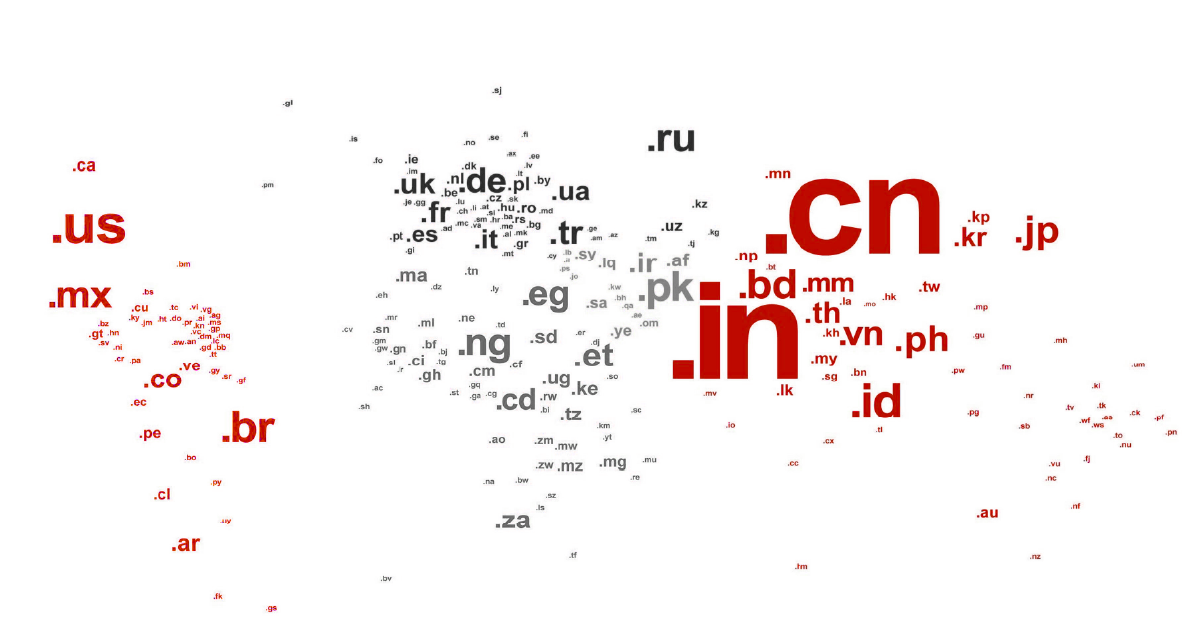
Example: yourbrand.sa, yourbrand.de, yourbrand.fr
This structure uses separate domains for each country, with a country-specific extension.
It tells both Google and users: “This site is built for your market.”
When to use it:
- You want to build a strong local brand presence.
- You have the budget and resources to manage multiple sites.
- Each market has distinct content, offers, or teams.
Pros:
- Very strong geo-targeting signal for search engines
- Higher click-through rates in local SERPs (because users see their country code)
- Easy to customize strategies and content per region
Cons:
- More expensive (infrastructure, SEO, content, team bandwidth)
- Each domain builds authority separately (slower SEO gains)
- Requires more time and investment to maintain
✅ Option 2: Subfolders within a Single Domain
Example: yourbrand.com/sa/, yourbrand.com/de/
This approach keeps all country-specific content under a single domain, using language or region-specific subdirectories.
When to use it:
- You want faster SEO growth and centralized control.
- You’re testing multiple markets without a full-scale rollout.
- Your CMS and SEO team prefer a single, unified platform.
Pros:
- Shares domain authority—boosting SEO across all markets
- Easier to manage and maintain
- Clean reporting and analytics under one roof
Cons:
- Needs accurate implementation of hreflang tags to avoid content confusion
- Might not appear “local” at first glance to users
- Higher technical dependency to avoid internal competition (cannibalization)
See it in action: International SEO for eCommerce: hreflang & URL structure.
Get Your Hreflang Implementation Right
Hreflang is an HTML attribute (or HTTP header) that tells search engines which language and region a specific page is intended for.
Without it, search engines can get confused. Worse, they might show the wrong version to the wrong audience—or penalize you for duplicate content across similar pages.
However, nearly one in three global websites sends mixed hreflang signals, leaving search engines unsure which version to show and where.
Hreflang Best Practices

If you’re running a large-scale multilingual site, here’s how to get it right:
1. Map Out Every Language and Regional Variant
Start with a clear content matrix:
- English (US)
- English (UK)
- Arabic (UAE)
- Arabic (Egypt)
Each should have its own URL and hreflang tag.
2. Use ISO Standards for Language and Country Codes
Always follow the format: hreflang=”language-country”
Example: hreflang=”en-us” or hreflang=”ar-eg”
3. Include a Self-Referencing hreflang Tag
Each page must reference itself.
Example: The UK page should point to itself and to the US version.
4. Use x-default for Catch-All Pages
If you have a global homepage that directs users by IP or language choice, assign it hreflang=”x-default”.
5. Be Consistent Across Pages
Every alternate version must reciprocate the reference.
If Page A points to Page B, then B must also point to A.
Build with Multilingual SEO and Cultural Localization
Multilingual SEO ensures your pages are searchable in the target language. While content localization ensures your message lands with the right tone, cultural cues, and emotional relevance. Together, they help your brand show up in search and resonate with the people behind the clicks.
Practical Tips to Get It Right
1. Start with Localized Keyword Research
- Use native speakers or market-specific tools to uncover search intent.
- Consider slang, local expressions, and cultural references.
- Look at what your local competitors are ranking for.
2. Adapt Page Titles and Meta Descriptions
- Rewrite titles and meta descriptions for each region.
- Use locally relevant CTAs.
- Respect character limits based on script (e.g., Japanese, Arabic).
3. Match Tone and Style to Local Norms
- Align tone of voice with local expectations and industry culture.
- Adjust humor, emotional appeal, and even punctuation accordingly.
4. Customize Structured Data (Schema) by Country
- Translate Product, FAQ, or Breadcrumb schema elements.
- Add country-specific pricing, currency, and availability.
- Don’t forget inLanguage tags in your JSON-LD.
Leverage Link Building to Earn Trust
Search engines rely on backlinks to evaluate trust. But in international SEO, not all links carry equal weight. You need to earn links from local, high-authority sources in each target region—and align your content strategy with what matters to audiences there.
Proven Link Building Tactics for Global Reach
- Contribute Guest Content to Regional Industry Sites
- Pitch localized guest posts to high-ranking blogs or digital magazines in your niche.
- Focus on market-specific insights.
- Include locally relevant data, trends, or case studies to increase acceptance.
- Collaborate with Regional Influencers or Micro-Creators
- Partner with influencers who already speak to your ideal audience in their native language.
- Co-create authentic content—interviews, product features, expert roundups.
- Don’t underestimate micro-influencers—their engagement rates often outperform global names.
- Use Local PR and Media Outreach
- Build relationships with regional editors, publishers, or industry reporters.
- Share newsworthy stories: expansion announcements, local partnerships, research findings.
- Local press links can dramatically boost trust and authority in country-specific SERPs.
Run a Full International Technical SEO Audit Before You Scale
Before you start expanding into new markets, take a breath—and check under the hood.
An ideally localized site won’t rank (or convert) if search engines can’t crawl it, if pages load slowly abroad, or if hreflang tags and redirects are misfiring behind the scenes. That’s why a technical SEO audit for international readiness is your safety net before scaling.
Key Areas to Audit for Global Performance
1. Crawlability & Indexability Across Variants
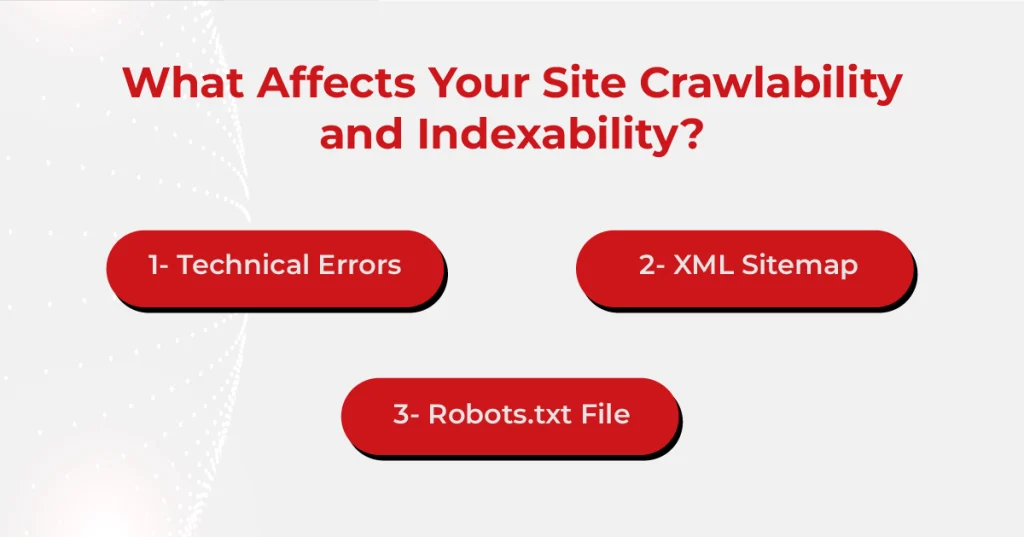
- Ensure robots.txt and meta tags aren’t blocking key regional pages.
- Use Search Console’s international targeting feature to track indexing status by country.
- Check for duplicate content conflicts between language versions (especially if URLs are similar).
2. Site Speed in Global Regions
- Run Lighthouse or PageSpeed Insights tests from multiple regions.
- Optimize image sizes, script loading, and hosting performance for international CDNs.
- Pages should ideally load in under 2.5 seconds—especially for mobile users.
3. Multilingual Site Architecture Compliance
- Are hreflang tags properly implemented and reciprocated?
- Do you have canonical URLs set per region to avoid duplicate indexing?
- Are redirects pointing cleanly to the right language or regional version?
Website localization best practices for SEO you shouldn’t skip.
From domain structure and hreflang setup to multilingual content and local link building, every layer of your SEO strategy needs to reflect how people actually search and engage in their region.
With over a decade of experience helping brands grow across languages, cultures, and search engines, at AsiaLocalize, we bring a deep understanding of how to turn international SEO from a technical task into a true growth engine.
So whether you’re entering one new market or ten, your brand deserves a strategy that’s built for scale.
| Get found in every language. Explore our multilingual SEO guide for global rankings. |