

According to CSA Research, 76% of consumers prefer to buy from brands that communicate in their own language, and 40% refuse to purchase from sites that aren’t localized. Despite this, most companies still treat global content as an afterthought — and they pay for it.
So they jump in without a roadmap, send files in whatever format they have, compare vendors by the cheapest rate, and hope for the best. And the result is a launch that loses momentum before it even starts.
The gap between companies that thrive globally and those that struggle isn’t luck — it’s strategic translation planning. The right translation strategies protect your brand every time you enter a new market.
This blog breaks down how.
What a Real Translation Strategy Looks Like — and Why It Changes Everything
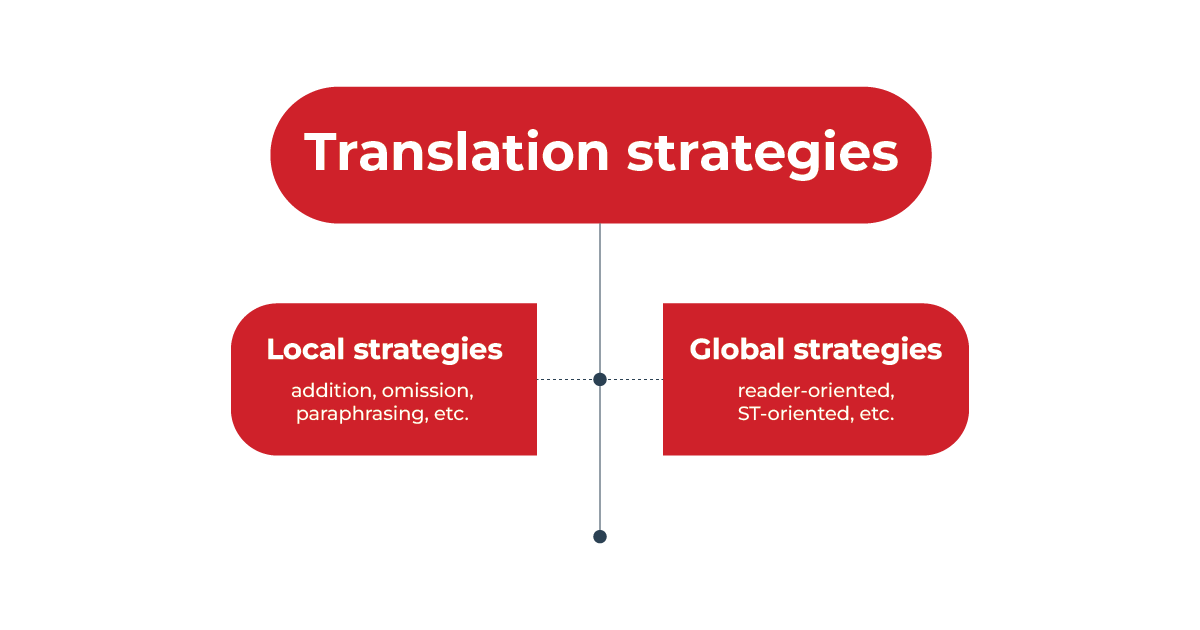
A translation strategy is the blueprint that shapes how your company communicates across markets. In practical terms, it defines what gets translated, how, by whom, with what tools, and for what purpose. Without this foundation, multilingual content quickly turns into a patchwork of styles, costs, and workflows that drain teams and confuse customers.
And the stakes are far from small. CSA Research reports that 65% of consumers prefer content in their own language, even when they’re fluent in English. Brands that treat translation as a last-minute task miss these audiences entirely.
The Difference Between Having a Strategy and Winging It
The contrast is operational, financial, and brand-defining. When the foundation is right, everything that comes after — quality, cost efficiency, customer trust — becomes infinitely easier.
With a Translation Strategy
- A unified brand voice survives across 10, 15, even 20 languages.
- Translation memory and structured workflows often cut costs by up to 30%.
- New-market releases move from six months to six weeks because teams aren’t reinventing the wheel each time.
- Budgets stop fluctuating, timelines stop slipping, and teams finally know what to expect.
Without a Translation Strategy
- Every project starts from zero — new translators, new rules, new chaos.
- Quality shifts unpredictably because nothing controls translation workflow or terminology.
- Launches run late because every file feels like a fire drill.
- Budgets break down under rework, corrections, and last-minute fixes.
Your Website Deserves to Feel Native Everywhere.
Start with Our Website Localization Services.
The 7 Pillars Every Winning Translation Strategy Framework Needs
Recent findings show that companies investing in deeper cultural adaptation—not translation alone—achieve 2.3× higher revenue growth than competitors relying on basic language conversion. It’s a sharp reminder that global success isn’t about output volume; it’s about understanding how each market reads your brand and building a strong translation strategy framework around that.
Below are the seven components the most successful global brands rely on when building a business translation strategy that scales cleanly and predictably.
1. Business Goals Alignment
Every strategy starts with a direction. Your corporate translation strategy framework should reflect where your business is heading — which markets matter most, what revenue milestones you’re targeting, and whether your aim is expansion, retention, or compliance. Translation only works when it supports the bigger story.
2. Market and Language Prioritization
No brand expands into ten languages on day one. Use traffic data, purchase intent, and competitive benchmarks to choose your priority markets, then build a translation roadmap around the first 3–5 languages. Strategic translation planning keeps focus where it actually moves the needle.
3. Content Inventory and Classification
Every content type carries a different weight. High-impact assets—product pages, legal documents, UX copy—belong in a human-led translation workflow. Help articles may only need machine translation plus editing. Marketing content can follow in later phases. Strong translation operations begin with knowing what truly matters.
4. Quality Standards
Quality has to be defined, not assumed. Legal content requires zero tolerance for ambiguity; social media thrives on flexibility and speed. Clear acceptance criteria help linguists deliver translation accuracy consistently and anchor your quality assurance translation processes across teams and vendors.
5. Technology and Tools
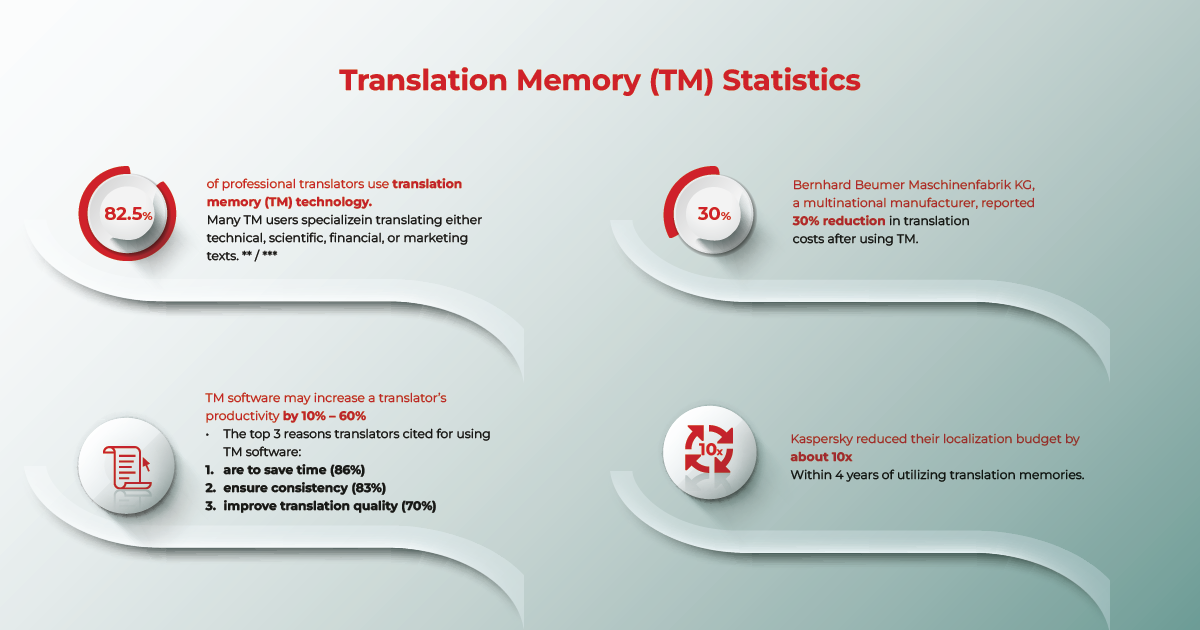
A strong translation technology stack shortens timelines and protects budgets. Translation memory alone can reduce repetitive costs by 30%. CAT tools safeguard terminology, while a translation management system keeps workflows synchronized and scalable. A machine translation strategy adds volume capacity without compromising control.
6. Team and Vendor Structure
Decide early how translation operations will function. Some companies centralize core languages in-house and outsource the rest; others prefer a single agency to manage governance and quality. Define roles, approval paths, and responsibilities before workflows expand. Structure prevents friction later.
7. Budget and Measurement
A translation strategy rises or falls on its numbers. Track cost per word by language, delivery times, quality scores, and how translated content performs in each market. Strong translation budget planning ties spend to outcomes, allowing your ROI translation strategy to evolve intelligently over time.
Get Your Documents Translated Right the First Time.
Explore Our Document Translation Services.
How to Develop a Translation Strategy in 8 Steps
Even the most global-minded companies struggle when translation runs on guesswork. They translate reactively, skip planning, and end up with workflows that drain budgets more than they support growth. The good news is that a solid process removes the uncertainty entirely.
Below is an eight-step process designed to help teams build a translation strategy that feels achievable, scalable, and aligned with real business outcomes.
Step 1: Audit Your Current State
List what you’re translating today, who’s doing it, what it costs, and where delays appear. Most companies discover they’re paying twice what they should because workflows grew without structure or oversight.
Step 2: Set Clear Business Objectives
Tie translation work directly to outcomes. A corporate translation strategy needs measurable targets: “Enter the German market and generate €500K in year one” creates momentum; “translate website into German” creates tasks.
Step 3: Research Your Target Markets
Check your analytics, talk to regional teams, and study competitor behavior. Customers rarely speak the language you assume they do. Strategic translation planning starts with real data.
Step 4: Map Your Content
Document everything that requires translation — product descriptions, onboarding flows, help centers, marketing campaigns, and legal pages. Prioritize by impact and urgency. High-value assets always move first.
Step 5: Choose Your Translation Methodology
Match the translation approach to the content’s purpose. Use human expertise for high-stakes assets. Lean on a machine translation strategy with human editing for scale. Define the quality bar for each category.
Step 6: Select Technology
Test translation management systems before committing. Look for seamless CMS integrations, automation potential, and clear project visibility. Run a pilot project to confirm fit, then expand your translation technology stack.
Step 7: Build Your Team
Recruit specialists for priority languages and rely on agencies for broader coverage. Vet vendors through sample projects, quality scores, industry certifications, and references. Define responsibilities early to avoid downstream confusion.
Step 8: Launch and Optimize
Start with a focused rollout. Measure cost per word, delivery timelines, and content performance. Refine as your data grows. A translation strategy evolves with every launch, campaign, and market shift.
Translation Technology: Your Strategy Multiplier
A strategy is only as strong as the tools that bring it to life. Global teams often hit capacity because the systems behind them are fragmented. When technology enters the picture, scale finally becomes achievable — with quality that holds up across every market.
Below is a clear breakdown of the core technology that supports any serious translation strategy.
What a Translation Management System Does
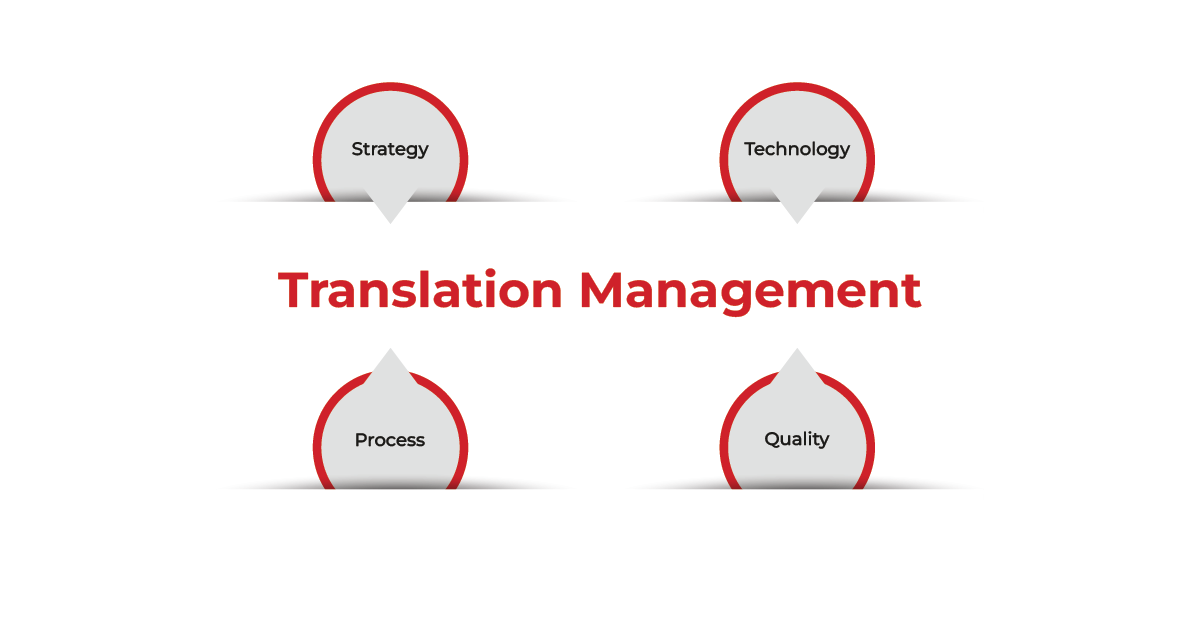
A translation management system acts as the operational backbone of your global content. It centralizes your assets, assigns work to the right translators, tracks timelines, and plugs directly into your CMS or product environment.
Its biggest advantage lies in translation memory — a system that stores every approved sentence and automatically reuses it across projects.
CAT Tools Explained Simply
CAT tools provide suggestions from previously translated content, highlight terminology mismatches, and maintain glossary consistency across large volumes of text.
A strong CAT tools strategy speeds up human translation, reduces errors, and protects your brand language. It becomes the quality layer that scales without compromise — essential for teams managing multilingual content at pace.
The companies that win globally are the ones that stop treating translation as a last-minute task and start seeing it as a growth engine. They plan intentionally, build systems that scale, and rely on the right partners to keep their message consistent across borders.
This is where AsiaLocalize makes the difference. We help teams build the frameworks, workflows, and tools that make global expansion smoother, faster, and far more predictable. Whether you’re entering your first new market or refining a multilingual ecosystem across twenty, our job is to give you the strategy, technology, and linguistic expertise to move with confidence.
Build Your Translation Strategy With Experts.
Explore Our Translation and Localization Services!