Arabic transcreation adapts a campaign’s message, tone, visuals, and timing for a specific Arabic-speaking audience instead of translating it word for word. For GCC campaigns, that means choosing the right register (Modern Standard Arabic, pan-Arab neutral Arabic, or a Gulf voice), adapting visuals and right-to-left layouts, and planning creative around Ramadan, Eid, national days, and White Friday.
Arabic is used daily by more than 400 million people, according to UNESCO. Yet a language shared at that scale doesn’t create a single market or a single persuasive voice. A line that feels sharp in Riyadh may sound overly formal in Dubai, miss a cultural cue in Kuwait, or arrive at the wrong moment in the GCC calendar.
Arabic transcreation starts where fluent translation stops: with the audience, the occasion, and the commercial intent behind every word. It sits close to Arabic copywriting: the brand promise stays, but the line itself can be rewritten.
This guide explores what literal translation leaves behind, when transcreation becomes essential, and how brands can adapt creative ideas without flattening their impact.
Which Arabic Should a GCC Campaign Use?
“Arabic” tells you which language a campaign needs. It leaves a far more important question unanswered: how should that campaign sound?
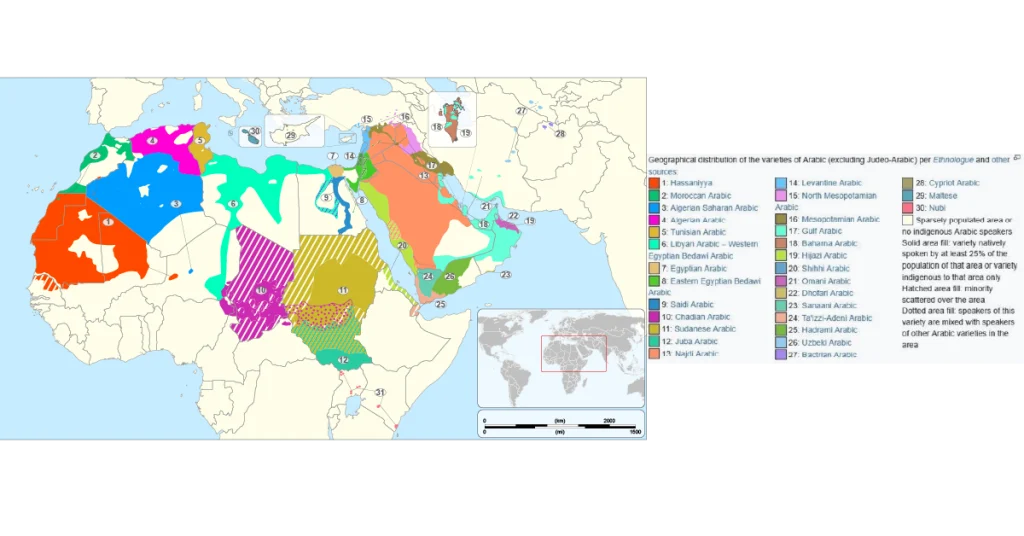
Audiences move between Modern Standard Arabic across the region, the formal register common in journalism, government, education, and corporate communication, and the varieties they speak in everyday life.
Khaleeji Arabic serves as an umbrella for Gulf varieties, while Egyptian and Levantine Arabic bring their own vocabulary, cadence, humor, and cultural shorthand. Even within the Gulf, Saudi, Emirati, Kuwaiti, Qatari, Bahraini, and Omani audiences don’t all speak or respond to Arabic in precisely the same way.
The differences reach beyond a few local expressions. A Cambridge University Press study developed country-level resources covering 15 Arabic dialects and nearly 3.9 million words, noting that these dialects differ from MSA. The differences run through vocabulary, grammar, and pronunciation. For marketers, that linguistic diversity creates a simple commercial reality: audiences can understand a campaign perfectly and still feel that it came from somewhere else.
Confirm the specific market before writing the first headline. Country, city, audience profile, brand positioning, and campaign context all shape the right linguistic choice, whether the job is Arabic translation or transcreation. A brief that simply says “translate into Arabic” skips the most important creative decision: Arabic for whom?
When Literal Arabic Misses the Point
A literal Arabic translation may be grammatically correct and still fail as marketing. Campaign copy relies on tone, imagery, rhythm, and emotional intent. When translators follow the original too closely, the Arabic can sound overly formal, create the wrong mental image, or lose the quality that made the message persuasive.
- Formal MSA can create distance. Modern Standard Arabic suits journalism, government communication, and formal corporate content. Consumer campaigns often need a warmer, more conversational register. A 2026 study of 271 Arabic social media ads identified colloquial language as one of the most common persuasive features, particularly for creating familiarity and intimacy.
- Metaphors can take an unintended turn. Consider a line such as “carrying the essence of our heritage.” Translate “carrying” as physical transport and “essence” as scent, and the idea begins to resemble “transporting an ancestral smell.” The example may be hypothetical, but the risk appears frequently: every word looks acceptable on its own while the complete message says something very different.
- Creative impact rarely survives word for word. Humor, rhyme, wordplay, and memorable phrasing often require a new Arabic construction. Transcreation protects the purpose of the line, giving the Arabic audience the same impression through language that feels natural to them.
What Arabic Transcreation Covers
Arabic transcreation shapes the complete campaign. It defines how the brand speaks, what the audience sees, how the message persuades, and how the creative works in an RTL format.
- Dialect and register: Choose between MSA, pan-Arab neutral Arabic, and a market-specific Gulf voice before creative work begins. The right option depends on the country, audience, platform, and brand personality.
- Visual adaptation: Review the models, clothing, settings, gestures, and styling alongside the copy. The complete visual should feel relevant to the target audience.
- Tone and pacing: Adjust urgency to the sector and campaign goal. High-consideration purchases may need reassurance and proof, while retail promotions can support a faster, more direct approach.
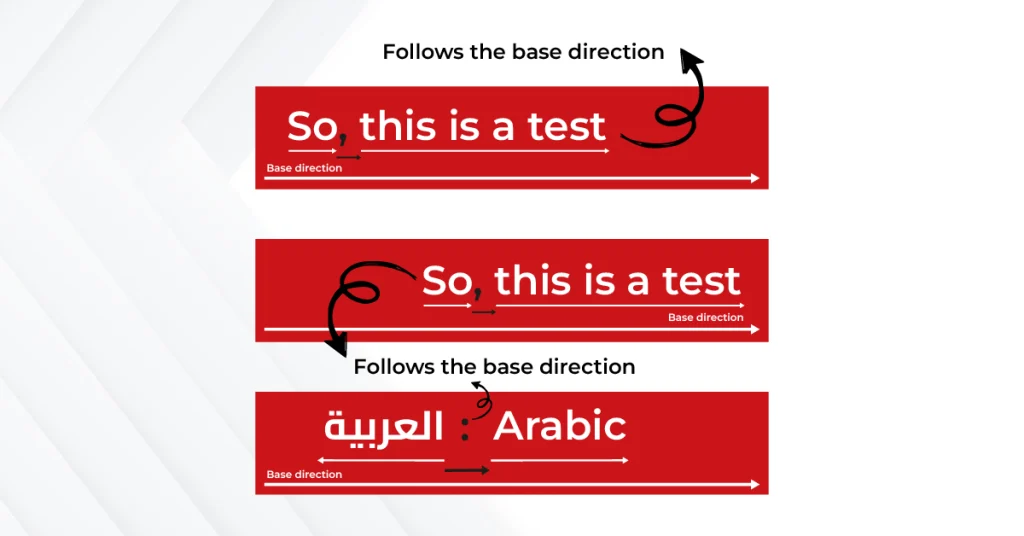
- RTL design: Build Arabic direction, typography, line breaks, navigation, and mixed Arabic-English content into the original layout. Check bidirectional lines closely: punctuation and other neutral characters follow the base text direction, so English brand names, numbers, and punctuation inside Arabic sentences can appear in an unexpected order.
The Dates That Change the Message
In the GCC, timing shapes the message as much as language. Ramadan changes daily routines and emotional priorities; Eid shifts attention toward celebration and gifting; national occasions bring country-specific pride; and November sales compress retail competition into a few busy days.
A campaign can be beautifully transcreated and still arrive with the wrong mood or too late to matter. The commercial calendar should therefore guide the creative brief, production schedule, and Arabic adaptation from the start.
- Ramadan changes shape as the month moves. Pre-Ramadan campaigns often focus on preparation, while the early weeks call for a more reflective, community-led tone. Shopping, gifting, travel, and Eid preparation gain momentum later. Google and Visa research found that luxury apparel searches increased by 21% in the UAE and 45% in Saudi Arabia toward the end of Ramadan. Brands should plan separate creative phases rather than run one generic message throughout the month.
- National occasions belong to one country at a time. Saudi National Day, Saudi Founding Day, UAE Eid Al Etihad, and other GCC celebrations carry different histories, symbols, and expectations. Their commercial impact can also be significant: Saudi Founding Day spending in 2024 rose 44% above non-peak periods. Reusing the same regional creative with different flags rarely feels thoughtful; each occasion needs its own message and visual direction.
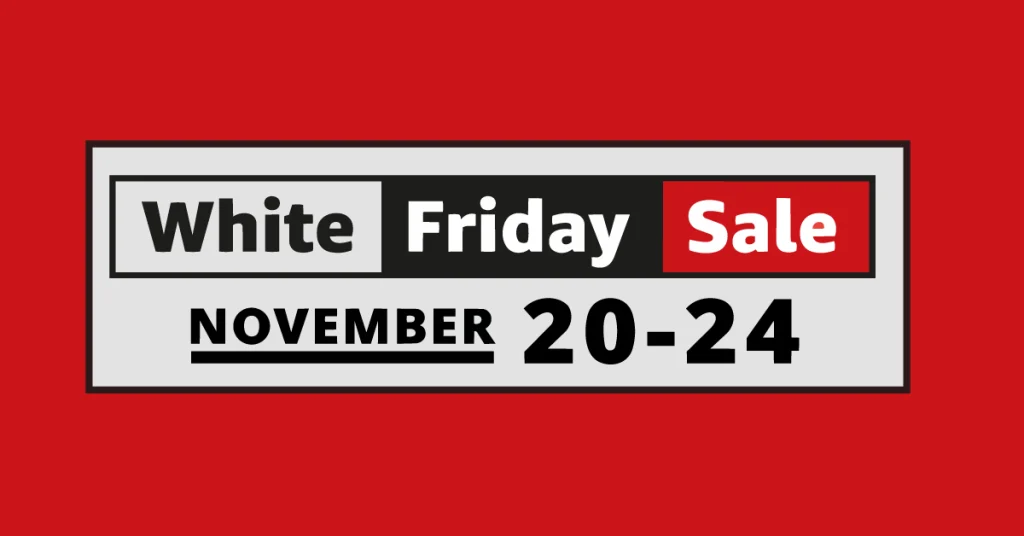
- White Friday follows a regional retail rhythm. Introduced by Souq in 2014, White Friday typically runs for four days rather than following the single-day US Black Friday model. Google and Visa found November e-commerce sales reaching 44% above the monthly average, with peak-week spending rising 31% in the UAE and 36% in Saudi Arabia. Campaigns need early teasers, locally appropriate naming, and Arabic offer language built for a crowded regional sales period.
Let the Content Decide: Arabic Translation or Transcreation?
The right approach depends on what the content needs to achieve. Choose standard Arabic translation when precision, consistency, and traceability lead. Choose transcreation when tone, memorability, and audience response determine success.
- Use transcreation for content designed to persuade. Taglines, advertising campaigns, brand stories, landing-page headlines, video scripts, and social content rely on voice and emotional impact. Transcreators can reshape metaphors, rhythm, humor, and calls to action while protecting the original brand promise. That creative quality carries commercial weight: Kantar reports that improving an ad’s creative quality from average to great can increase ROI by 30%.
- Use standard translation for content built around facts. Contracts, legal notices, policies, technical manuals, product specifications, and safety instructions require close control of meaning and terminology. The Arabic should still read naturally while keeping every fact, obligation, and instruction aligned with the source.
- Use both when a single project contains different content types. A product page may need transcreation for its headline and CTA, then standard translation for specifications and warranty terms. Dividing the content by purpose gives each asset the right level of creative freedom and precision.
Arabic Transcreation FAQs
Should a GCC campaign use MSA or Gulf Arabic?
It depends on reach and register. Modern Standard Arabic or a pan-Arab neutral style suits campaigns running across several Arab countries, formal sectors, and regulated content. A Gulf (Khaleeji) or country-specific voice usually suits single-market consumer campaigns, social content, and video where warmth matters. When unsure, test sample lines in each register before full production.
What should an Arabic transcreation brief include?
Include the target country and city, audience profile, preferred register or dialect, brand voice and words to avoid, campaign objective and call to action, channels and character limits, key dates, mandatory claims or legal text, and the visuals the copy will sit with. Source copy should come with notes on its intent, not just the words.
How AsiaLocalize Builds Arabic Campaigns for the GCC
Strong Arabic transcreation begins before anyone rewrites the first line. AsiaLocalize starts by defining where the campaign will run, who it needs to reach, and what response it should create.
- We define the market before choosing the voice. The team confirms the target country, audience, platform, campaign timing, and brand personality. From there, we agree on MSA, pan-Arab neutral Arabic, or a more market-specific Gulf voice.
- We test the creative direction before scaling. Sample headlines or campaign lines allow the client to review the dialect and tone early. Each option can include a back translation, creative rationale, and usage notes, making the final choice clear before full production begins.
- We review the campaign as one system. Copy, visuals, RTL layouts, on-screen text, scripts, and calls to action are checked together. This keeps the message consistent across every channel and prevents Arabic from feeling added after the creative work is complete.
- We connect campaign language with search behavior. For landing pages and campaign hubs, our Arabic SEO services combine natural Arabic copy with local keyword research and search intent. The campaign can then sound right to its audience and appear for the terms they genuinely use.
Planning a GCC Campaign?
Explore our Transcreation Services for Arabic Markets.
Sources
- UNESCO, World Arabic Language Day
- Cambridge University Press, Natural Language Engineering: Creation of annotated country-level dialectal Arabic resources
- Taylor & Francis Online (2026): study of 271 Arabic social media advertisements
- Google and Visa: commerce insights in the UAE and Saudi Arabia (2025)
- Amazon Ads: White Friday guide
- Kantar: Can ad testing really predict sales impact?
- Goran tek-en, Wikimedia Commons: Arabic varieties map (CC BY-SA 4.0)