
Malaysia is one of Southeast Asia’s most multilingual countries. Its language landscape reflects its history, trade routes, migration, indigenous communities, and modern business culture.
The national language is Malay, commonly referred to as Bahasa Malaysia or Bahasa Melayu. However, everyday communication across Malaysia often includes English, Mandarin, Tamil, Chinese varieties, indigenous languages, and local creoles. This makes Malaysia a market where language choice is not just a cultural detail. It directly affects how people understand, trust, and respond to your message.
Quick Answer: What Languages Are Spoken in Malaysia?
The main languages spoken in Malaysia include Malay, English, Mandarin, Tamil, Chinese varieties such as Hokkien and Cantonese, Indigenous languages in Sabah and Sarawak, and local creoles.
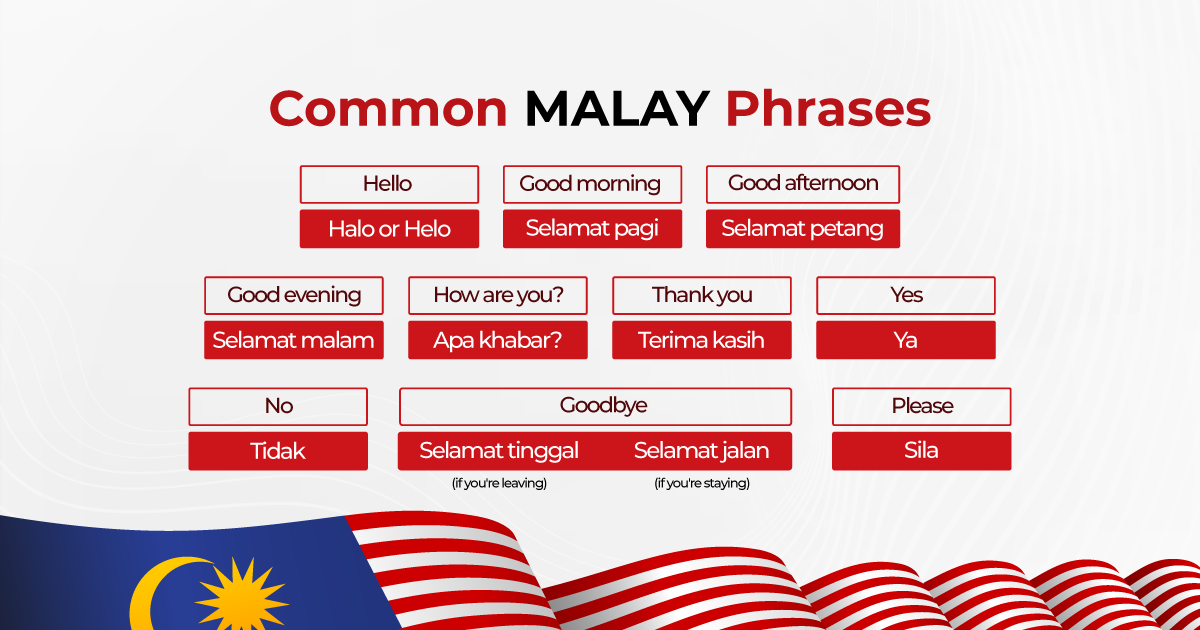
Malay, also known as Bahasa Malaysia or Bahasa Melayu, is the national language. English is widely used in business, education, tourism, and international communication. Mandarin and other Chinese varieties are important among Chinese Malaysian communities, while Tamil is the most widely spoken Indian language in Malaysia.
Malay: The National Language of Malaysia
Malay is the national language of Malaysia. Article 152 of the Federal Constitution states that the national language shall be the Malay language, while also protecting the right to use, teach, and learn other languages. The Malaysian government also identifies Malay, or Bahasa Malaysia, as the country’s official national language. (Malaysia Government Portal)
In daily life, Malay is used in government, education, public communication, administration, and national media. It acts as a shared language across Malaysia’s diverse population.
However, Malay is not spoken in exactly the same way everywhere. Different states and communities use regional varieties and accents, including Kelantanese Malay, Terengganu Malay, Kedah Malay, Sabah Malay, and Sarawak Malay. These varieties can differ in pronunciation, vocabulary, rhythm, and local expressions.
For businesses, this means standard Malay is usually suitable for official documents, websites, and formal communication. But when content needs to feel local, especially for campaigns or community outreach, regional language awareness matters.
English in Malaysia
English is widely used in Malaysia, especially in business, higher education, tourism, technology, finance, and international communication. It is not the national language, but it plays a practical role as a bridge language across ethnic and professional communities.
In multilingual environments, English is often used alongside Malay, Mandarin, or Tamil. Britannica notes that people in Malaysia may use lingua franca languages such as Mandarin, English, or Malay when different Chinese varieties or community languages are not mutually understood. (Encyclopedia Britannica)
Malaysian English also has its own local flavor. In informal settings, many Malaysians use Manglish, a colloquial form of English influenced by Malay, Chinese languages, and Tamil. This can be friendly and familiar in everyday speech, but it is not always suitable for formal business, legal, medical, or government-facing content.
For companies entering Malaysia, English can work well for B2B communication and international audiences. Still, relying only on English may limit reach among local consumers who prefer Malay, Chinese, Tamil, or community-specific language choices.
Chinese Languages in Malaysia
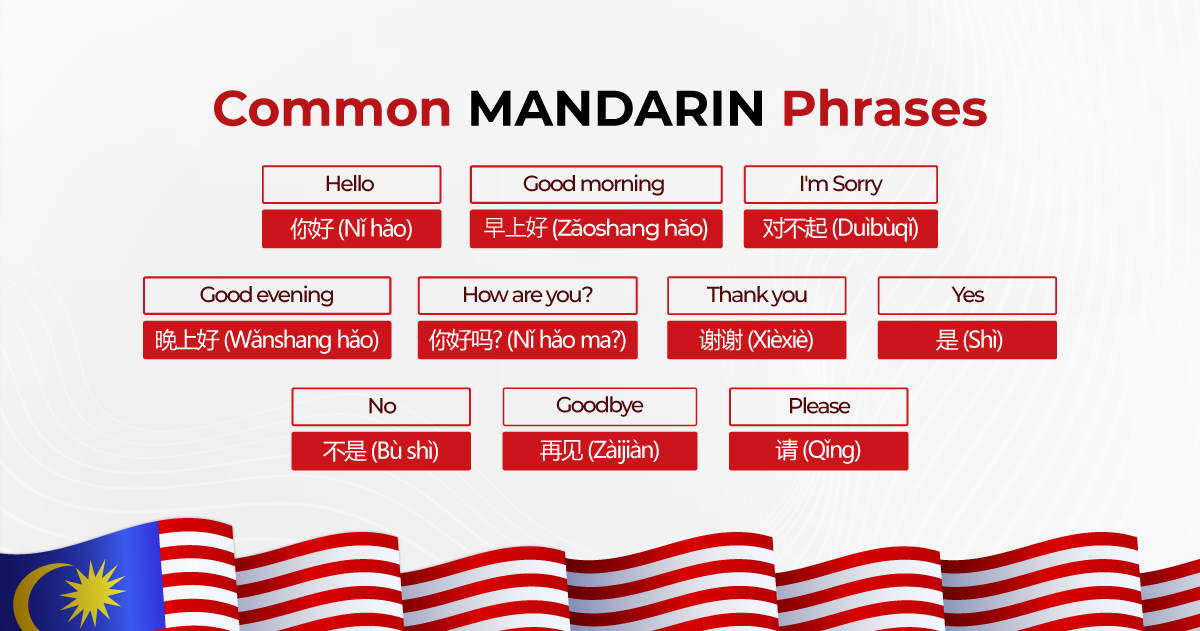
Malaysia has a large ethnic Chinese community, but “Chinese” in Malaysia does not refer to one single spoken language. Mandarin is widely used in education, media, business, and formal communication among Chinese Malaysians. However, many communities also use Chinese varieties such as Hokkien, Cantonese, Hakka, Teochew, Hainanese, and Fuzhou.
This is an important point many brands get wrong. Mandarin may be the safest choice for formal Chinese-language content, but it does not fully represent every Chinese-speaking community in Malaysia. Britannica explains that Chinese communities may speak different languages that are not always mutually intelligible, which is why Mandarin, English, or Malay may be used as shared communication languages. (Encyclopedia Britannica)
Regional differences also matter. Hokkien is strongly associated with areas such as Penang and parts of northern Malaysia. Cantonese is common in places such as Kuala Lumpur and Ipoh. Hakka, Teochew, and Fuzhou are also important in specific communities, especially in parts of East Malaysia.
For marketing, customer support, and localized campaigns, Mandarin may be enough for broad written communication. But for voice-over, community videos, social listening, or local campaigns, choosing the right Chinese variety can make the content feel more natural.
Tamil and Other Indian Languages in Malaysia
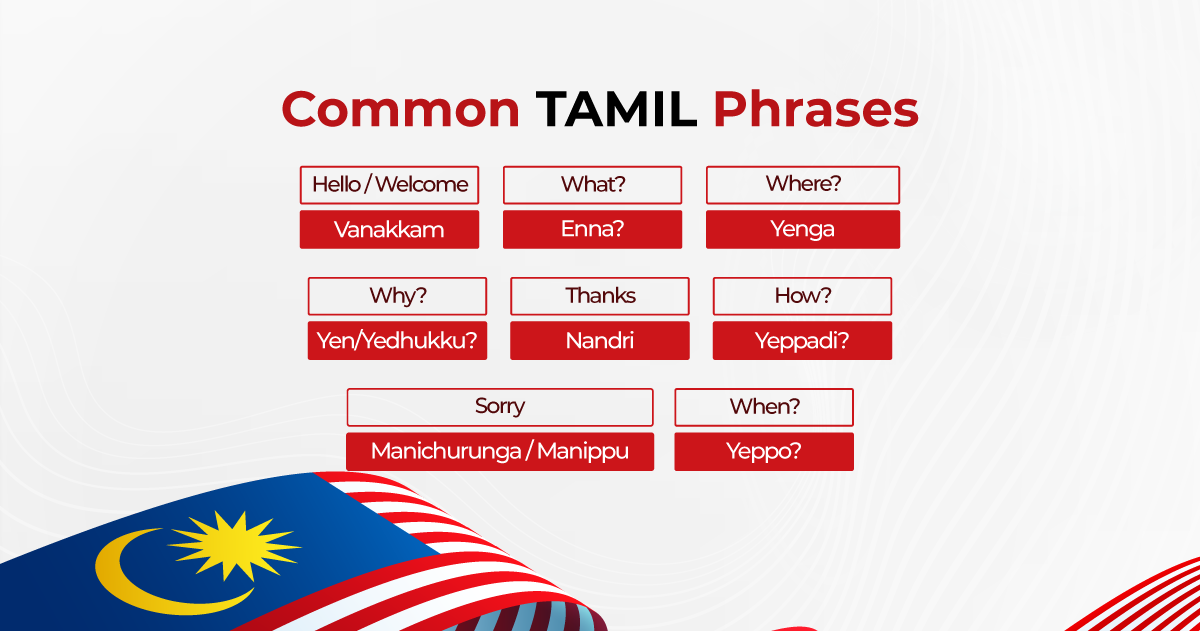
Tamil is the most widely spoken Indian language in Malaysia. It is used in homes, community life, schools, religious settings, media, and cultural events. Britannica identifies Tamil speakers as the largest South Asian language group in Malaysia, while other Indian community languages include Telugu, Malayalam, Punjabi, Bengali, Pashto, and Sinhalese. (Encyclopedia Britannica)
Tamil also has a strong cultural role. It connects many Malaysian Indians to family, religion, education, and community identity. For businesses, Tamil can be especially important in public awareness campaigns, healthcare communication, education, financial services, and community outreach.
However, formal Tamil and everyday Malaysian Tamil are not always the same. A literal translation may sound too formal, too Indian-market focused, or disconnected from Malaysian usage. This is why localization should consider the audience, region, purpose, and channel.
Indigenous Languages of Malaysia
Malaysia’s indigenous languages are a major part of the country’s linguistic identity, especially in Sabah and Sarawak.
In Sarawak, indigenous communities speak distinct Austronesian languages. Iban, Bidayuh, Melanau, and Orang Ulu languages are among the important language groups. Britannica notes that the Iban language is related to Malay but distinct from it, and that Bidayuh communities speak separate languages with related dialects. (Encyclopedia Britannica)
In Sabah, Kadazan-Dusun languages are especially important. Britannica describes Kadazan, also called Kadazandusun, as an Austronesian language with numerous dialects. The official Sabah government website also states that Sabah has 33 indigenous groups communicating in over 50 languages and 80 ethnic dialects. (Encyclopedia Britannica)
These languages are not usually the first choice for national business communication. But they can be essential for government programs, healthcare access, education, social campaigns, NGO communication, and community-based projects.
A campaign that works in Kuala Lumpur may not work the same way in rural Sabah or Sarawak. Local language, cultural references, and community trust all affect the message.
Creole and Mixed Languages in Malaysia
Malaysia also has creole and mixed language varieties shaped by trade, migration, and cultural contact.
One example is Baba Malay, associated with Peranakan Chinese communities. It blends Malay with Chinese cultural influence and has historical importance in areas such as Malacca and Penang.
There are also Portuguese-based creole communities in Malacca, linked to the historical Portuguese settlement. These languages are not widely used across Malaysia, but they remain culturally meaningful.
For most businesses, creoles may not be needed in standard localization. However, they matter when the goal is cultural storytelling, heritage tourism, museum content, documentaries, or community-focused campaigns.
Choosing the Right Language for the Malaysian Market
The right language for Malaysia depends on who you want to reach.
For national communication, Malay is usually the first choice. For international business, English is often useful. For Chinese Malaysian audiences, Mandarin may work for formal written content, but regional Chinese varieties may be better for spoken or community-focused material. For Indian Malaysian audiences, Tamil is often the most relevant language.
The mistake is assuming one language can reach everyone equally.
Malaysia’s population is officially tracked across several major ethnic categories, including Malay, other Bumiputera, Chinese, Indian, other citizens, and non-citizens. This reflects the country’s diverse social makeup, which directly shapes language use in public and private life. (OpenDOSM)
Before localizing content for Malaysia, ask:
- Is the audience national, regional, or community-specific?
- Is the content formal, conversational, technical, or promotional?
- Will the content be read, watched, listened to, or used in customer support?
- Does the message need standard language, local tone, or dialect awareness?
- Are there legal, medical, financial, or cultural risks if the wording is misunderstood?
These questions help avoid generic translation and move toward real localization.
Why Language Localization Matters in Malaysia
Malaysia is not a market where translation should only replace words from one language to another. The country’s multilingual environment means that language carries identity, trust, formality, and cultural expectations.
A healthcare message in Malay may need clear, accessible wording. A fintech onboarding journey may require English and Malay, with careful attention to compliance terms. A retail campaign may need Mandarin, Tamil, or localized Malay depending on the target audience. A public awareness campaign in Sabah or Sarawak may need indigenous language support or at least local cultural adaptation.
Good localization helps your message sound clear, respectful, and relevant. Poor localization can make your content feel distant, confusing, or careless.
Multilingual Localization for the Malaysian Market
Understanding the languages spoken in Malaysia is only the first step. For businesses, the bigger challenge is choosing the right language mix for each audience, platform, and content type.
Malay translation services are often the best starting point for national communication, official documents, public-facing content, and broad customer engagement.
Chinese translation services may be needed when targeting Chinese Malaysian audiences, especially for business, retail, finance, e-commerce, education, and community campaigns. Mandarin may work for broad written communication, but regional Chinese varieties can matter for voice-over, video, and local outreach.
For brands targeting Malaysia’s multilingual audience, multilingual localization services help adapt websites, marketing campaigns, product content, multimedia assets, and customer support materials across Malay, Chinese, Tamil, English, and other local languages.
This is where localization goes beyond direct translation. The goal is to make every message feel clear, natural, and relevant to the people it is meant to reach.
AsiaLocalize: Your Language Partner for Malaysia
Expanding into Malaysia requires more than choosing Malay and moving forward. It requires understanding how language changes across audience, region, platform, and purpose.
AsiaLocalize helps businesses adapt content for Malaysia through professional translation, localization, multimedia localization, website localization, and market-specific language support. Whether your project needs Malay, Mandarin, Tamil, English, or a more specialized local language strategy, the goal is the same: clear communication that fits the people you want to reach.
If your brand is preparing for the Malaysian market, start with the right language plan. It will help your content feel natural, trustworthy, and ready for real local engagement.
FAQs About Languages Spoken in Malaysia
What are the main languages spoken in Malaysia?
The main languages spoken in Malaysia include Malay, English, Mandarin, Tamil, Chinese varieties, Indigenous languages in Sabah and Sarawak, and local creoles.
What is the official language of Malaysia?
Malay, also known as Bahasa Malaysia or Bahasa Melayu, is Malaysia’s national language. It is widely used in government, education, administration, public communication, and national media.
Is English widely spoken in Malaysia?
Yes. English is widely used in business, tourism, higher education, technology, finance, and international communication, although it does not replace the need for local-language localization.
Which Chinese languages are spoken in Malaysia?
Mandarin is widely used among Chinese Malaysians, but other Chinese varieties such as Hokkien, Cantonese, Hakka, Teochew, Hainanese, and Fuzhou are also used in different communities.
Why does Malaysia need multilingual localization?
Malaysia’s audience is multilingual and culturally diverse. Businesses often need Malay, Chinese, Tamil, English, or regional language support depending on audience, region, channel, and content risk.